
Steak lovers rarely agree on one thing: which premium cut deserves the top spot on the plate. Some swear by the buttery tenderness of filet mignon, while others refuse to order anything except a richly marbled ribeye. The debate around filet mignon vs ribeye has existed for decades in steakhouses, butcher shops, backyard grills, and culinary schools for one simple reason — both cuts offer completely different eating experiences.
The choice usually comes down to what matters most to you. Do you prefer a lean, soft steak that almost melts in your mouth? Or do you want bold beef flavor, heavy marbling, and a juicy bite packed with richness? Understanding the differences between these steaks helps you avoid spending premium money on a cut that does not match your taste preferences.
Filet mignon comes from the tenderloin, one of the least-used muscles on the cow. Because this muscle does very little work, the meat stays exceptionally tender. Ribeye, on the other hand, comes from the rib section and contains far more intramuscular fat, often called marbling. That fat is responsible for the deep beefy flavor ribeye fans obsess over.
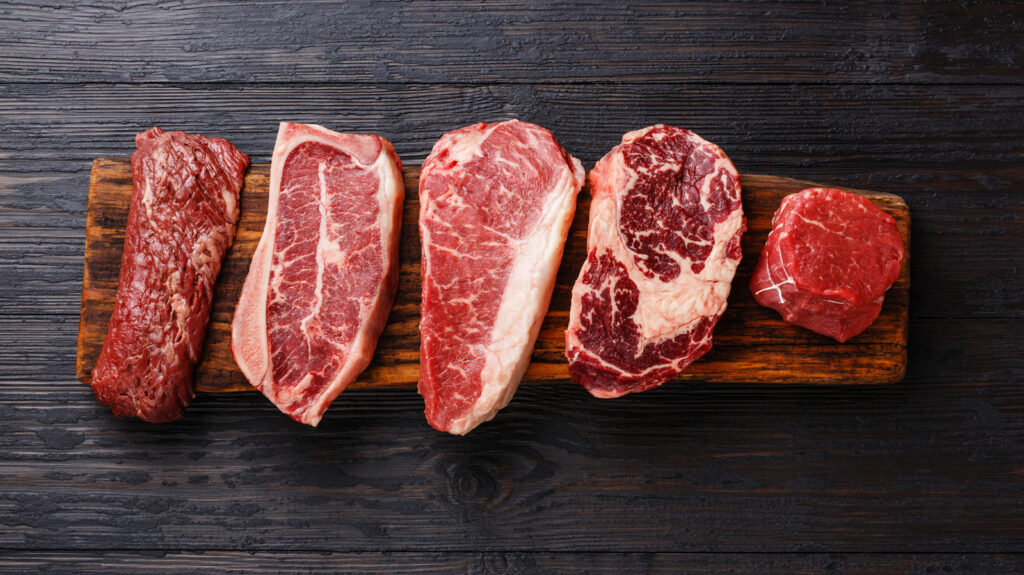
Both cuts are premium steaks often found in upscale restaurants, USDA Prime beef selections, dry-aged steak programs, and Wagyu collections. Yet they perform differently in cooking, nutrition, price, texture, and overall satisfaction. This detailed comparison breaks down everything you need to know before choosing your next steak.
What Is Filet Mignon?
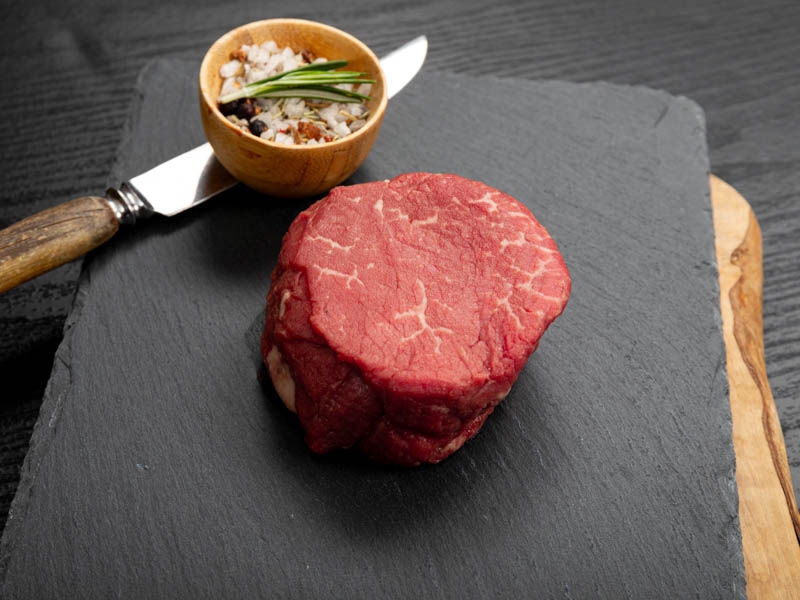
Filet mignon is cut from the smaller end of the beef tenderloin. The tenderloin sits beneath the ribs near the backbone and receives very little movement during the animal’s life. Since the muscle is barely exercised, the meat develops an incredibly soft texture with minimal connective tissue.
One reason filet mignon became a steakhouse classic is its consistency. Nearly every bite feels smooth, delicate, and easy to chew. Many chefs describe it as “fork tender” because it requires almost no effort to cut or eat. That texture makes filet mignon popular among diners who prioritize tenderness above everything else.
Unlike heavily marbled cuts, filet mignon is lean. It contains much less visible fat than ribeye, New York strip, or porterhouse steak. While this lean profile creates a refined texture, it also means the flavor is milder. Many restaurants compensate by pairing filet mignon with rich sauces such as peppercorn cream, red wine reduction, garlic butter, or béarnaise.
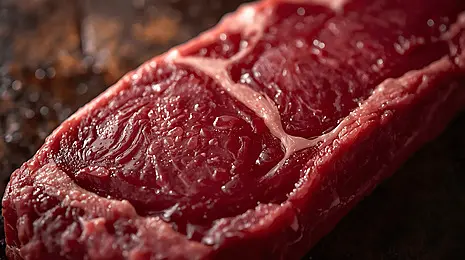
Filet mignon is commonly served in thick rounds measuring between 1.5 and 3 inches thick. Because the cut is compact and lean, overcooking can dry it out quickly. Most chefs recommend cooking it rare to medium-rare for the best experience.
Premium beef programs such as USDA Prime, Certified Angus Beef, Japanese Wagyu, and grass-fed beef often feature filet mignon as their luxury centerpiece because of its elegant texture and upscale reputation.
What Is Ribeye Steak?
Ribeye steak comes from the rib primal section, typically between ribs six and twelve. This area contains more fat and muscle activity than the tenderloin, creating stronger beef flavor and richer texture.
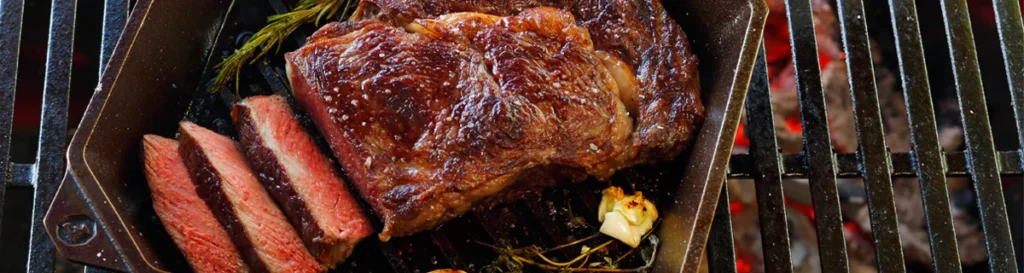
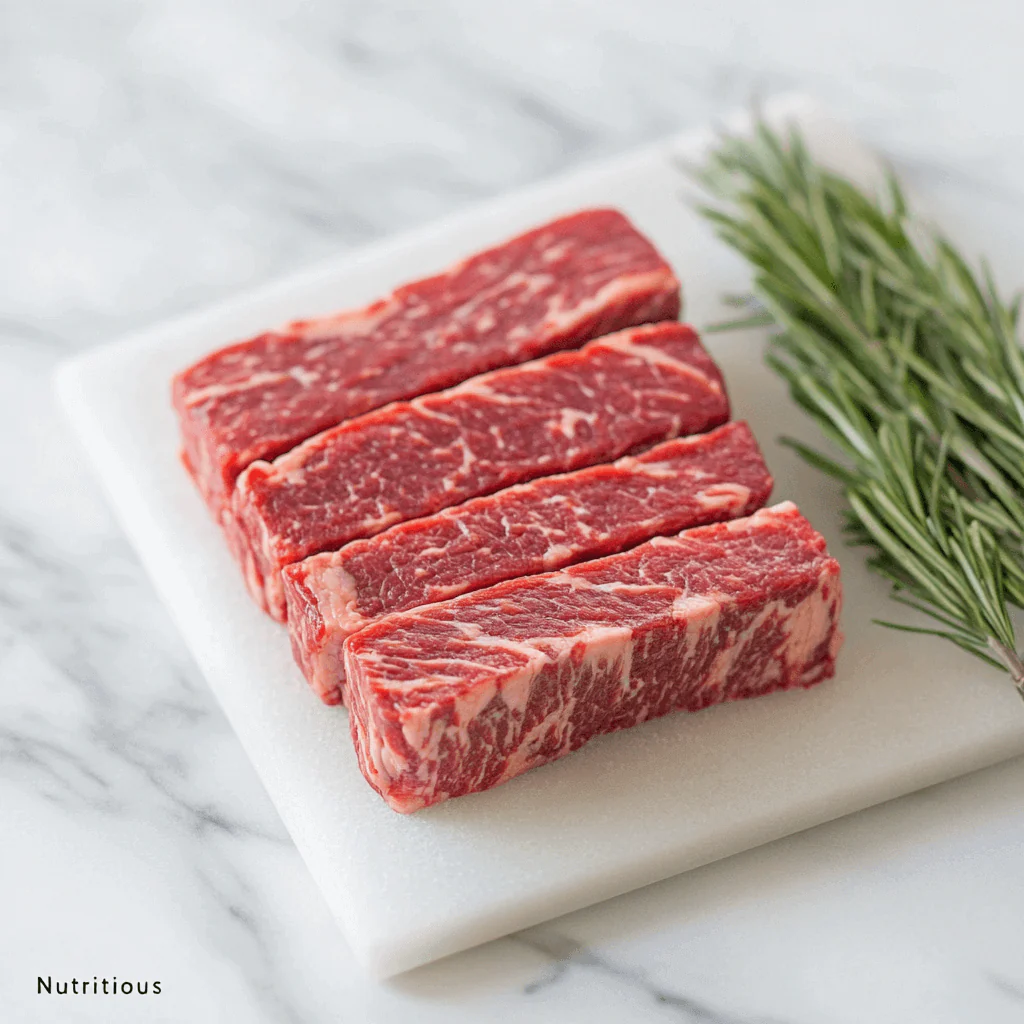
What makes ribeye special is marbling. The thin streaks of fat spread throughout the meat melt during cooking, creating juiciness and depth that many steak enthusiasts consider unmatched. Ribeye often delivers a stronger beef taste than filet mignon, strip steak, or sirloin.
The ribeye also contains multiple muscle groups, including the spinalis dorsi, which many butchers consider one of the tastiest muscles on the entire animal. This combination of fat, muscle variation, and moisture creates a steak with layered texture and intense flavor.
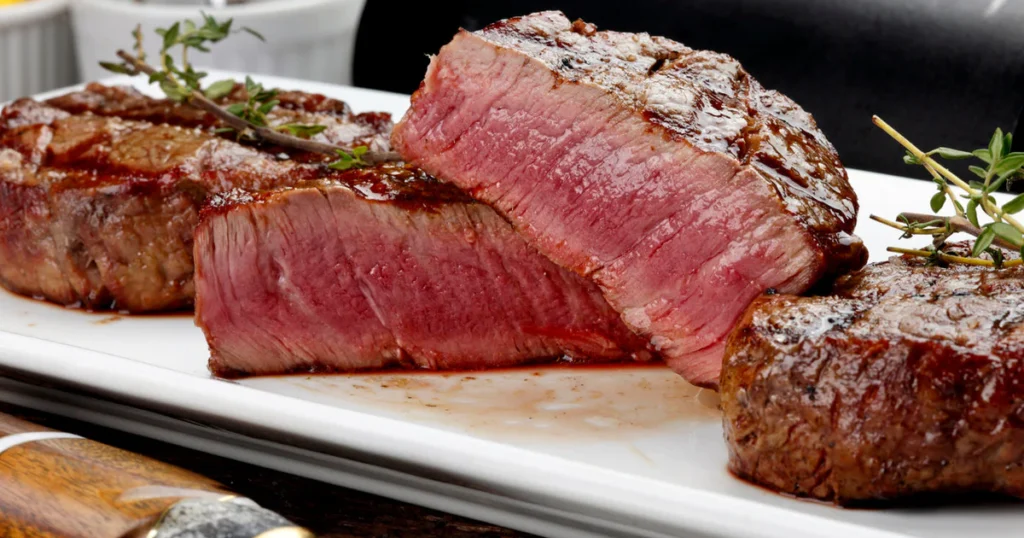
Ribeye steaks can be boneless or bone-in. Bone-in versions are often sold as cowboy ribeye or tomahawk steak. Dry-aged ribeye is especially popular because aging intensifies the meat’s natural umami flavor while improving tenderness.
Unlike filet mignon, ribeye is forgiving during cooking because its fat protects the meat from drying out. Even slightly overcooked ribeye often remains juicy. This makes ribeye a favorite for grilling, cast-iron searing, reverse searing, and open-flame cooking.
For steak lovers who prioritize flavor first, ribeye consistently ranks among the best cuts available.
Filet Mignon vs Ribeye: Quick Comparison Table
| Feature | Filet Mignon | Ribeye |
|---|---|---|
| Cut Location | Tenderloin | Rib section |
| Texture | Extremely tender | Tender with more bite |
| Marbling | Low | High |
| Flavor | Mild and buttery | Rich and beefy |
| Fat Content | Lean | Fatty |
| Juiciness | Moderate | Very juicy |
| Best Doneness | Rare to medium-rare | Medium-rare to medium |
| Cooking Difficulty | Easier to overcook | More forgiving |
| Typical Price | Very expensive | Expensive |
| Best For | Tenderness lovers | Flavor lovers |
Flavor Differences Between Filet Mignon and Ribeye
The biggest difference between filet mignon vs ribeye is flavor intensity.
Filet mignon delivers a subtle, refined beef flavor. It tastes clean, soft, and delicate rather than bold. Some diners love this because it allows seasonings, butter, herbs, and sauces to stand out without competing against heavy beef richness. Others find filet mignon too mild for the price.
Ribeye is the opposite experience. Thanks to heavy marbling, ribeye develops deep savory flavor during cooking. As the fat renders, it creates caramelization and richness that coat the palate with every bite. Many steak lovers describe ribeye as the “ultimate steak flavor.”
Dry-aged ribeye takes this even further. During dry aging, moisture evaporates while enzymes break down muscle fibers, creating concentrated umami notes sometimes compared to nutty cheese or roasted beef.
In blind taste tests and steak enthusiast discussions, ribeye frequently wins for flavor. Online steak communities consistently rank ribeye above filet mignon when flavor is the main category. Many experienced grillers argue that fat equals flavor, and ribeye proves that point better than almost any steak cut.
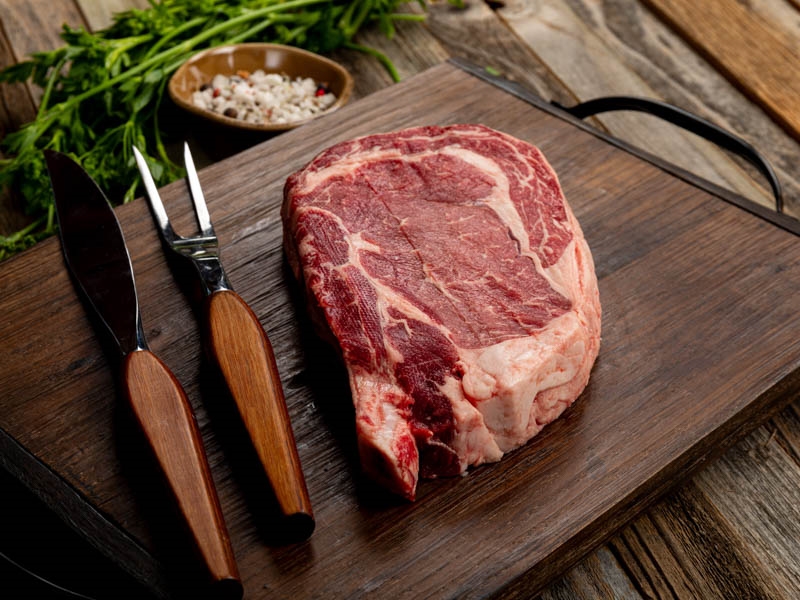
Still, flavor preference depends heavily on personal taste. People who dislike fatty cuts often prefer filet mignon because it feels cleaner and lighter.
Which Steak Is More Tender?
If tenderness alone determines the winner, filet mignon takes the crown.
The tenderloin muscle barely works during the animal’s life, resulting in extremely soft meat fibers. Filet mignon almost melts when cooked correctly. There is very little chew, almost no connective tissue, and minimal resistance when slicing.
Ribeye is also tender, especially high-grade USDA Prime or Wagyu ribeye, but it has more texture. The muscle structure and fat pockets create a meatier bite with slight chewiness. For many steak fans, this balance of tenderness and texture feels more satisfying than the ultra-soft consistency of filet mignon.
Some diners actually consider filet mignon “too soft.” They prefer ribeye because it offers both tenderness and a more substantial mouthfeel.
The difference becomes especially noticeable when both steaks are cooked medium-rare. Filet mignon remains buttery and delicate, while ribeye delivers juicy texture with richer structure.
Marbling and Fat Content Explained
Marbling refers to intramuscular fat distributed throughout the meat. It is one of the most important factors affecting steak flavor, moisture, and cooking performance.
Ribeye is famous for extensive marbling. USDA grading systems heavily evaluate ribeye marbling because it represents overall carcass quality. Prime ribeye contains abundant fat streaks that melt into the meat during cooking.
Filet mignon contains far less marbling. Since the tenderloin muscle does little work, it stays tender naturally without requiring heavy fat deposits.
This difference affects nearly every part of the eating experience:
Ribeye Advantages
- Rich flavor
- Better crust formation
- More juiciness
- Forgiving cooking performance
- Better high-heat grilling
Filet Mignon Advantages
- Leaner texture
- Lower fat intake
- Cleaner beef taste
- Softer mouthfeel
- More refined presentation
People following lower-fat diets often prefer filet mignon, while serious steak enthusiasts usually gravitate toward ribeye because of the richer eating experience.
Nutrition Comparison: Filet Mignon vs Ribeye
Nutritionally, these steaks differ mainly in fat and calorie content.
| Nutrition | Filet Mignon | Ribeye |
|---|---|---|
| Calories | Lower | Higher |
| Protein | High | High |
| Fat | Lower | Higher |
| Saturated Fat | Lower | Higher |
| Iron | Excellent source | Excellent source |
| Vitamin B12 | High | High |
Filet mignon is usually the healthier option if you are watching calorie intake or saturated fat consumption. It provides excellent protein while remaining comparatively lean.
Ribeye contains more calories because of its marbling, but many people believe the flavor payoff justifies the extra fat. Keto and carnivore diet followers often choose ribeye specifically for its higher fat content.
Grass-fed beef versions of both cuts usually contain slightly leaner nutritional profiles compared to grain-fed beef.
Best Cooking Methods for Each Steak
Cooking method plays a major role in steak quality.
Best Ways to Cook Filet Mignon
Because filet mignon is lean, precise temperature control matters.
Ideal cooking methods include:
- Cast-iron skillet searing
- Reverse sear
- Sous vide
- Bacon wrapping
- Butter basting
Filet mignon benefits from high heat followed by gentle finishing. Butter, garlic, rosemary, and thyme are commonly added during the final stages of cooking to improve flavor.
Avoid overcooking. Medium-rare usually delivers the best texture and moisture.
Best Ways to Cook Ribeye
Ribeye thrives under intense heat.
Popular methods include:
- Charcoal grilling
- Open-flame grilling
- Cast-iron searing
- Reverse sear
- Broiling
The marbling protects ribeye during cooking, allowing beautiful crust formation without drying out the interior.
Many pitmasters and steakhouse chefs prefer ribeye because the fat creates dramatic caramelization and smoky flavor development.
Price Comparison: Why Is Filet Mignon So Expensive?
Filet mignon often costs more per pound than ribeye despite having less flavor. The reason is supply.
Each cow contains only a small amount of tenderloin compared to larger primal sections like rib or chuck. Limited availability drives up pricing.
Restaurants also market filet mignon as a luxury steak associated with fine dining and upscale menus. Its elegant appearance and reputation contribute to premium pricing.
Ribeye remains expensive too, especially USDA Prime ribeye or Wagyu ribeye, but it usually delivers better flavor-per-dollar value according to many steak enthusiasts.
When comparing steakhouse menus:
- Filet mignon usually carries the highest per-ounce price
- Ribeye often offers larger portion sizes
- Dry-aged ribeye can exceed filet pricing
- Wagyu versions of either cut command premium costs
Which Steak Is Better for Grilling?
Ribeye is generally considered the better grilling steak.
The heavy marbling handles direct flame exceptionally well. Fat drips onto the heat source, creating smoky flavor and dramatic crust development.
Filet mignon can grill beautifully too, but it requires closer monitoring because lean meat dries faster.
For backyard grilling:
- Choose ribeye for bold flavor and easier cooking
- Choose filet mignon for elegant presentation and tenderness
Charcoal grills, pellet smokers, and cast-iron griddles all perform particularly well with ribeye.
Filet Mignon vs Ribeye for Different Types of Steak Lovers
Choose Filet Mignon If:
- You value tenderness most
- You prefer lean steak
- You dislike chewy texture
- You enjoy sauces and compound butter
- You want a refined dining experience
Choose Ribeye If:
- You prioritize flavor
- You love marbling
- You enjoy juicy steaks
- You prefer grilling
- You want stronger beef taste
Many experienced steak lovers eventually lean toward ribeye because flavor becomes more important over time. Yet filet mignon remains incredibly popular among diners seeking softness and elegance.
Common Mistakes People Make When Buying Steak
Many people spend premium money on steak without understanding grading, marbling, or sourcing.
Mistake #1: Ignoring USDA Grade
USDA Prime contains significantly more marbling than USDA Choice or Select. This especially matters for ribeye.
Mistake #2: Overcooking Filet Mignon
Filet loses moisture quickly past medium doneness.
Mistake #3: Buying Thin Cuts
Thin steaks cook unevenly and struggle to develop crust.
Mistake #4: Skipping Rest Time
Resting steak after cooking preserves juices and improves texture.
Mistake #5: Confusing Tenderness With Flavor
Tender does not always mean flavorful. Ribeye proves this clearly.
Dry-Aged Steak: Does It Change the Comparison?
Dry aging changes both cuts dramatically.
Dry-aged filet mignon develops deeper flavor than standard filet while maintaining tenderness. Dry-aged ribeye becomes intensely beefy with concentrated umami richness.
Most steak experts believe ribeye benefits more from dry aging because its fat content supports stronger flavor development.
Dry-aged ribeye is often considered one of the best steak experiences available in high-end steakhouses.
Expert Tip: The Best Doneness for Each Steak
Filet Mignon
- Rare: Cool red center
- Medium-rare: Ideal balance
- Medium: Acceptable
- Beyond medium: Risk of dryness
Ribeye
- Medium-rare: Most popular
- Medium: Excellent fat rendering
- Medium-well: Still juicy if high quality
Ribeye can tolerate slightly higher internal temperatures because the fat keeps the meat moist.
Frequently Asked Questions
Is ribeye better than filet mignon?
Ribeye is usually considered better for flavor because of its marbling and juiciness. Filet mignon is considered better for tenderness.
Why do restaurants charge more for filet mignon?
Filet mignon comes from the tenderloin, a smaller section of the cow with limited yield. Its reputation for tenderness also increases demand.
Which steak is healthier?
Filet mignon is leaner and lower in fat and calories than ribeye, making it the healthier option for many diets.
Which steak is best for beginners?
Ribeye is easier for beginners because the fat content makes it more forgiving during cooking.
Is ribeye tougher than filet mignon?
Yes, slightly. Ribeye still remains tender but has more chew and texture than filet mignon.
Which steak has more flavor?
Ribeye has significantly more flavor due to its heavy marbling and fat content.
Can you cook filet mignon on a grill?
Yes. Filet mignon grills well, especially when seared quickly and finished over indirect heat.
What is the best steak overall?
There is no universal winner. Filet mignon excels in tenderness, while ribeye dominates in flavor and juiciness.

