
Purple flowers have a special place in garden design. They bring depth, calmness, richness, and contrast that few colors can match. From soft lavender shades to dramatic violet blooms, perennial plant purple flowers can completely change the feel of a landscape without demanding constant replanting every season.
Gardeners often choose purple perennials because they return year after year, attract pollinators, and work beautifully with nearly every garden style. Cottage gardens, modern landscapes, pollinator beds, and low-maintenance borders all benefit from purple flowering perennials.
Another reason these plants remain popular is their versatility. Some thrive in full sun and dry soil, while others prefer partial shade and moist conditions. You can build an entire layered landscape using only purple-flowering perennials and still create visual variety through different heights, textures, bloom shapes, and flowering seasons.
Research from multiple gardening publications and horticulture experts consistently highlights lavender, salvia, catmint, allium, and coneflower among the most reliable purple perennials for home gardens.
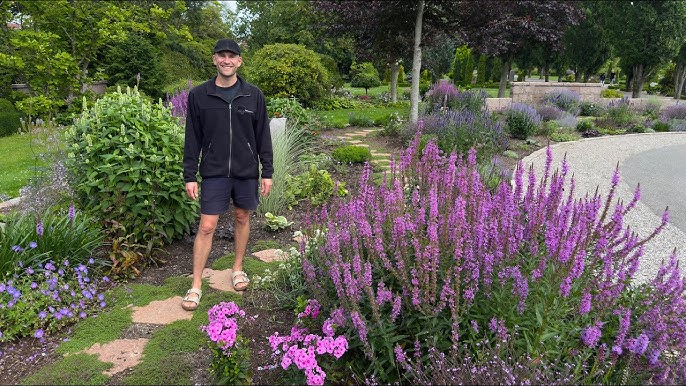
This guide covers the best perennial plant purple flowers, how to grow them successfully, where they perform best, and how to create a garden that stays colorful from spring through fall.
Why Purple Perennial Flowers Are So Popular
Purple has long been associated with elegance, creativity, and tranquility. In landscaping, it works as both a focal color and a blending color. Soft lavender tones pair beautifully with white flowers, while deeper violet shades create dramatic contrast beside yellow or silver foliage.
Perennial flowers with purple blooms also support biodiversity. Many varieties attract bees, butterflies, hummingbirds, and other pollinators because purple wavelengths are highly visible to insects. Plants such as salvia, lavender, and catmint are especially valuable in pollinator gardens.
Another major advantage is long-term value. Unlike annual flowers that need replacing every year, perennial flowers return season after season. Once established, many purple perennials become drought tolerant, reducing maintenance and water use.
Popular garden styles that use purple perennials include:
- Cottage gardens
- Mediterranean landscapes
- Prairie gardens
- Pollinator gardens
- Modern minimalist beds
- Rock gardens
- Border plantings
Many homeowners also use purple perennial flowers to soften hardscapes like fences, patios, and pathways. Taller varieties create structure, while low-growing forms help cover bare soil and suppress weeds naturally.
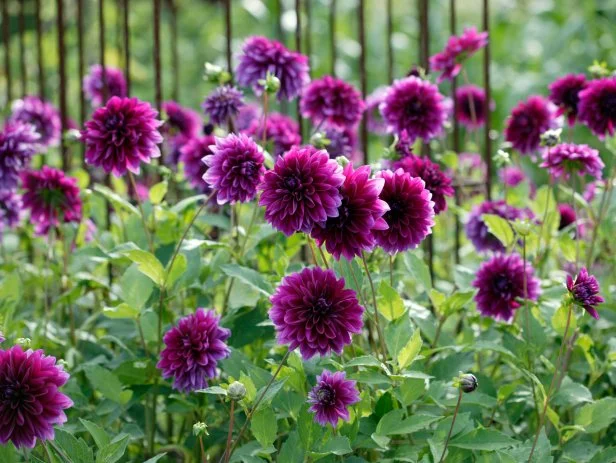
Best Perennial Plant Purple Flowers for Your Garden
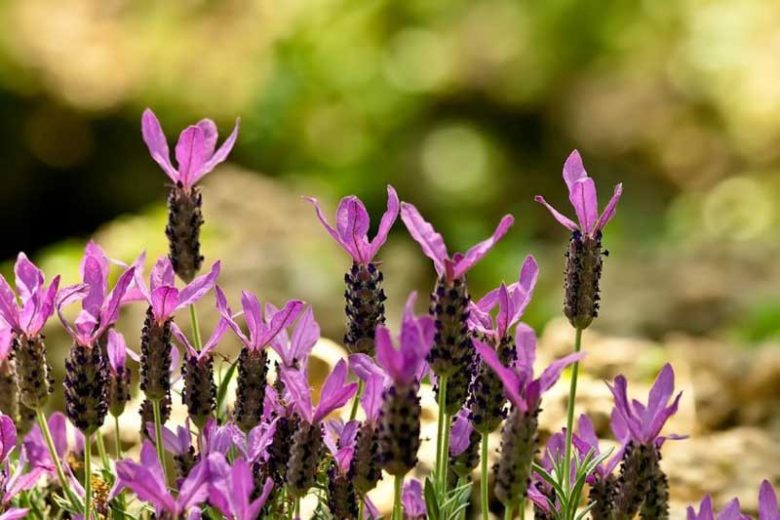
Lavender
Lavender remains one of the most recognizable purple perennials in the world. Its fragrant flower spikes, silver-green foliage, and drought tolerance make it a favorite for both beginner and experienced gardeners.
English lavender varieties are especially popular because they survive colder climates better than many Mediterranean species. Lavender thrives in full sun and sharply drained soil. Overwatering is one of the few things that can damage it.
This perennial works beautifully along walkways, edging borders, herb gardens, and container arrangements. Beyond its visual appeal, lavender attracts bees heavily during blooming season.
Best Conditions
- Full sun
- Sandy or well-drained soil
- Moderate watering
- USDA Zones 5–9
Bloom Time
Late spring through summer
Companion Plants
- Roses
- Salvia
- Yarrow
- Catmint
Salvia
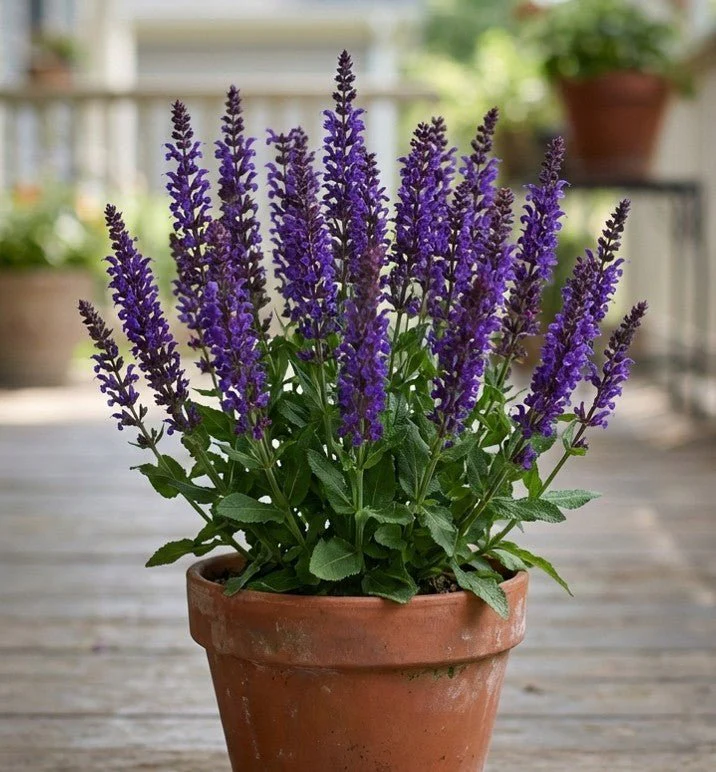
Salvia produces upright spikes of vivid purple flowers that bloom for months with minimal care. It performs especially well in hot climates and dry conditions.
One reason gardeners love salvia is its extended bloom period. Deadheading spent flowers often encourages repeat blooming through summer and early fall. Many cultivars are also deer resistant and highly attractive to hummingbirds.
Modern purple salvia varieties range from compact edging plants to taller architectural forms used in mixed borders
Why Gardeners Choose Salvia
- Long flowering season
- Pollinator friendly
- Heat tolerant
- Easy maintenance
Best Conditions
- Full sun
- Average to dry soil
- Good drainage
Salvia varieties like ‘May Night’ and ‘Caradonna’ are often recommended by horticulture specialists because of their reliability and rich purple coloration.
Catmint
Catmint is one of the easiest perennial purple flowers to grow successfully. It forms soft mounds of gray-green foliage covered with lavender-purple blooms for much of the growing season.
Unlike some high-maintenance flowering plants, catmint tolerates poor soil, drought, and heat extremely well. It also spreads gently without becoming invasive in most gardens.
Garden designers often use catmint as a border softener because its relaxed form contrasts nicely with structured plants like roses or ornamental grasses.
Key Benefits
- Long blooming period
- Fragrant foliage
- Excellent for pollinators
- Low water requirements
Ideal Uses
- Pathway borders
- Cottage gardens
- Pollinator beds
- Foundation plantings
Many gardeners shear catmint lightly after the first flush of flowers to encourage fresh growth and additional blooms later in the season.
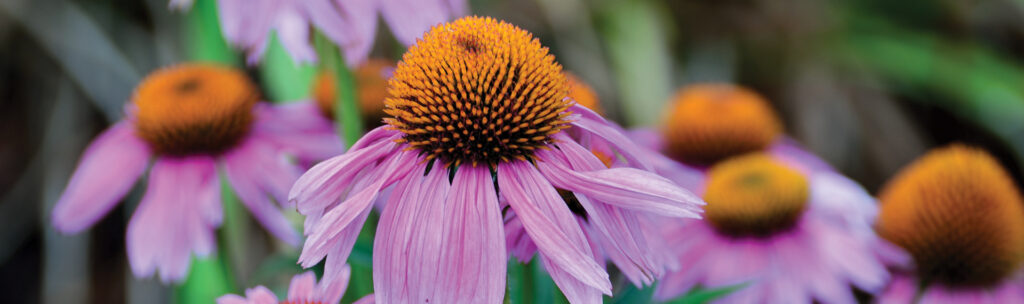
Purple Coneflower
Purple coneflower combines beauty with resilience. Native to North America, this perennial handles heat, drought, and poor soil surprisingly well once established.
Its daisy-like purple petals surround a prominent cone center that attracts butterflies and bees throughout summer. Coneflowers also provide winter interest because seed heads remain attractive long after blooming ends.
This perennial works especially well in prairie-style landscapes and naturalized gardens.
Growing Tips
- Plant in full sun
- Avoid overly wet soil
- Allow seed heads to remain in winter for birds
Bloom Season
Mid-summer through early fall
Purple coneflower consistently appears in expert perennial recommendations because of its hardiness and ecological value.
Allium
Alliums create bold architectural interest with globe-shaped purple flower heads held on tall stems. Their dramatic appearance makes them one of the most visually striking purple perennial flowers.
These ornamental onions bloom in late spring and early summer, often bridging the gap between spring bulbs and summer perennials.
Alliums are especially useful in formal landscapes because their geometric flower shape adds structure and repetition.
Advantages
- Deer resistant
- Drought tolerant
- Strong vertical interest
- Excellent cut flowers
Best Placement
- Back borders
- Mixed perennial beds
- Formal gardens
Large varieties such as ‘Purple Sensation’ remain among the most widely planted ornamental alliums.
Garden Phlox
Garden phlox delivers large clusters of fragrant purple blooms during midsummer when many other perennials slow down.
This plant performs best in areas with good air circulation and moderate moisture. Modern mildew-resistant cultivars have improved reliability significantly.
Tall garden phlox varieties create excellent vertical color in borders and cottage-style gardens.
Growing Requirements
- Full sun to partial shade
- Moist, fertile soil
- Regular watering during dry periods
Best Features
- Fragrant flowers
- Long bloom season
- Butterfly attraction
- Strong visual impact
Bearded Iris
Bearded iris brings elegance and structure to perennial gardens. Their ruffled purple blooms appear in spring and often become one of the earliest dramatic flowers in the landscape.
These perennials prefer sunny conditions and well-drained soil. Rhizomes should remain partially exposed above soil level to prevent rot.
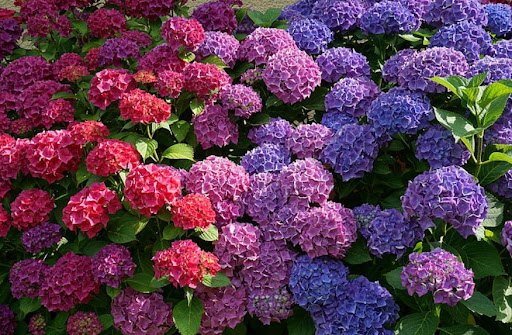
Purple iris varieties range from soft lavender to dark royal purple, allowing gardeners to create layered color combinations.
Why Iris Remains Popular
- Early seasonal color
- Distinctive flower shape
- Drought tolerance
- Easy division and propagation
Russian Sage
Russian sage produces airy purple-blue flower spikes over silver foliage from midsummer into fall. Although technically not a true sage, it behaves similarly in the garden.
This perennial thrives in dry, sunny conditions and performs extremely well in hot climates where many other flowers struggle.
Its open texture blends beautifully with ornamental grasses and prairie-style plantings.
Best Garden Uses
- Xeriscaping
- Dry borders
- Mediterranean gardens
- Wildlife gardens
Russian sage also provides movement in the landscape because its slender stems sway gracefully in wind.
Creeping Phlox
For gardeners seeking low-growing purple perennial flowers, creeping phlox is an excellent choice. It spreads across slopes, borders, and rock gardens while producing dense carpets of blooms in spring.
When planted in masses, creeping phlox creates dramatic groundcover effects that suppress weeds naturally.
Ideal Growing Conditions
- Full sun
- Well-drained soil
- Moderate moisture
Common Uses
- Rock gardens
- Edging pathways
- Hillside coverage
- Retaining wall borders
Lupine
Lupines produce tall spikes filled with pea-like flowers in vivid shades of purple, blue, pink, and white. Purple varieties remain especially popular in cottage and meadow gardens.
These perennials create strong vertical interest and attract pollinators heavily during blooming season.
Lupines generally prefer cooler climates and slightly acidic soil conditions.
Care Tips
- Avoid heavy clay soil
- Provide full sun in cooler regions
- Use partial shade in hot climates
Bellflower
Bellflowers feature charming bell-shaped purple blooms that work beautifully in romantic and cottage-style gardens.
Different species vary widely in height. Some remain compact enough for edging, while others form taller flowering clumps.
Benefits
- Reliable perennial performance
- Long flowering season
- Easy to grow
- Pollinator attraction
Bellflowers pair especially well with daisies, salvia, and ornamental grasses.
How to Design a Garden Using Purple Perennials
One common mistake gardeners make is planting random flowers without considering bloom timing, height layering, or color balance. A well-designed perennial garden should provide continuous visual interest across multiple seasons.
Purple flowers blend exceptionally well with:
- White flowers for contrast
- Yellow flowers for complementary color schemes
- Silver foliage for calming landscapes
- Pink flowers for romantic gardens
Layering Strategy
| Garden Layer | Recommended Plants |
|---|---|
| Tall Background | Russian Sage, Lupine, Garden Phlox |
| Mid-Level Plants | Salvia, Coneflower, Lavender |
| Front Borders | Catmint, Creeping Phlox |
| Accent Features | Allium, Iris |
A layered design creates fullness while ensuring every plant remains visible.
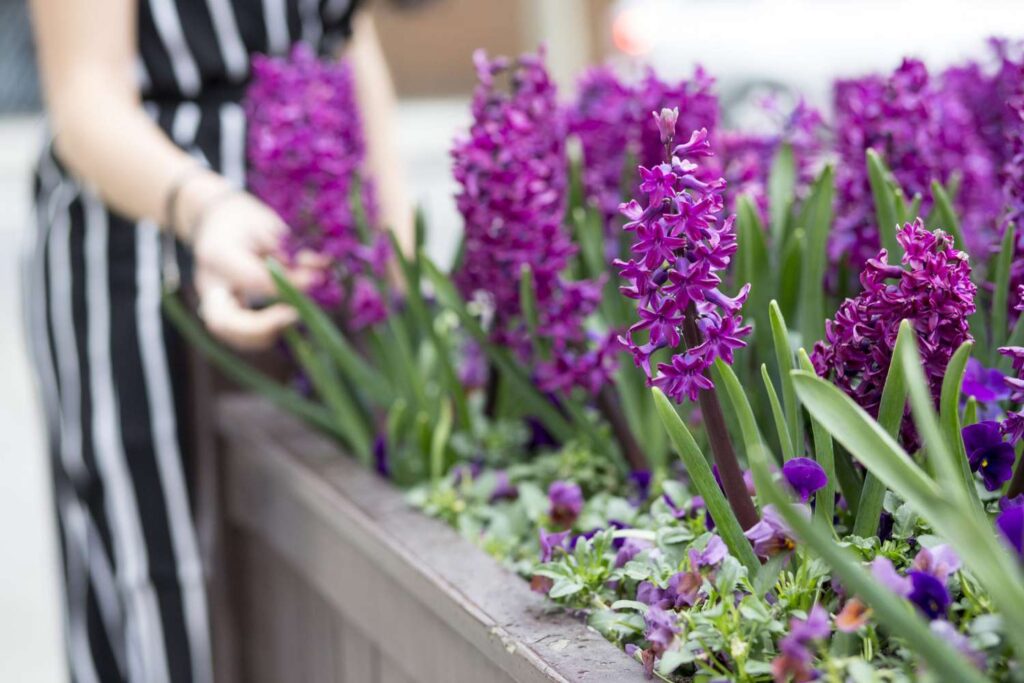
Another effective strategy is staggered bloom timing:
- Spring: Iris, Creeping Phlox
- Early Summer: Lavender, Allium
- Mid-Summer: Salvia, Coneflower
- Late Summer to Fall: Russian Sage, Asters
This approach keeps gardens colorful for months instead of just a few weeks.
Full Sun vs Shade Purple Perennials
Not every perennial purple flower thrives under the same lighting conditions. Matching plants to the correct environment dramatically improves bloom production and plant health.
Best Purple Perennials for Full Sun
These plants prefer at least six hours of direct sunlight:
- Lavender
- Salvia
- Coneflower
- Russian Sage
- Allium
- Lupine
Best Purple Perennials for Partial Shade
These varieties tolerate lower light levels:
- Bellflower
- Woodland Phlox
- Some Iris varieties
- Hardy Geraniums
Shady gardens often benefit from lighter purple tones because pale flowers brighten darker spaces more effectively.
Common Mistakes When Growing Purple Perennials
Even low-maintenance perennials can struggle if planted incorrectly. Understanding common problems helps gardeners avoid disappointment.
Overwatering
Many purple flowering perennials, especially lavender and Russian sage, dislike soggy soil. Poor drainage often causes root rot and weak flowering.
Poor Air Circulation
Crowded gardens encourage fungal diseases like powdery mildew on phlox and salvia.
Ignoring Mature Size
Small nursery plants eventually expand significantly. Proper spacing prevents overcrowding later.
Planting Without Bloom Planning
If all plants bloom simultaneously, gardens may look dull afterward. Combining early, mid, and late bloomers solves this issue.
Pollinator Benefits of Purple Flowering Perennials
Purple flowers are among the best choices for supporting pollinator populations. Bees naturally detect blue and purple wavelengths more easily than some other colors.
Plants such as lavender, salvia, catmint, and coneflower create nectar-rich habitats that support:
- Honeybees
- Native bees
- Butterflies
- Hummingbirds
- Beneficial insects
Pollinator-friendly gardens also improve nearby vegetable production because increased insect activity supports pollination.
Many experienced gardeners now combine ornamental beauty with ecological gardening practices by selecting flowering perennials that serve wildlife throughout the growing season.
Seasonal Care Tips for Purple Perennials
Spring
- Remove winter mulch gradually
- Divide overcrowded clumps
- Apply compost lightly
Summer
- Deadhead repeat bloomers
- Water deeply during drought
- Monitor for fungal disease
Fall
- Leave seed heads for birds
- Cut back diseased foliage
- Plant spring-blooming bulbs
Winter
- Avoid heavy wet mulch over crowns
- Protect tender varieties in cold climates
Seasonal maintenance keeps perennial beds healthier and encourages stronger flowering each year.
Best Purple Perennials for Low-Maintenance Gardens
Some gardeners want beauty without constant upkeep. These perennial flowers provide long-lasting color with minimal maintenance.
Top Low-Maintenance Choices
- Lavender
- Catmint
- Russian Sage
- Coneflower
- Allium
- Salvia
These plants tolerate heat, drought, and poor soil surprisingly well once established.
Research from gardening experts frequently highlights salvia, lavender, and catmint among the easiest long-blooming purple perennials for homeowners.
FAQ Section
What is the best perennial plant with purple flowers?
Lavender, salvia, and purple coneflower are among the best purple flowering perennials because they bloom reliably, attract pollinators, and require relatively little maintenance.
Which purple perennial blooms the longest?
Catmint and salvia often bloom for several months, especially when deadheaded regularly during the growing season.
Are purple perennial flowers good for pollinators?
Yes. Many pollinators, especially bees and butterflies, are strongly attracted to purple flowers because they can detect purple wavelengths easily.
What purple perennial grows well in shade?
Bellflower, hardy geranium, and some woodland phlox varieties perform well in partial shade conditions.
Which purple perennial is drought tolerant?
Lavender, Russian sage, salvia, and allium are highly drought tolerant once established.
Can purple perennials survive winter?
Most perennial purple flowers survive winter in suitable USDA hardiness zones. Many die back during cold months and regrow in spring.
How do I keep purple perennials blooming longer?
Deadheading spent flowers, proper sunlight exposure, and avoiding excessive fertilizer help extend blooming periods.

