
Modern organizations face a difficult balancing act. They need stronger physical security, smoother access management, compliance visibility, and scalable systems that work across multiple facilities without creating operational friction. That challenge explains why many enterprises, universities, healthcare groups, and industrial operators continue investing in LenelS2 access control platforms.
What makes LenelS2 stand out is not just the technology stack. The real value appears when organizations deploy the system in demanding environments with thousands of users, multiple locations, strict compliance standards, and evolving security risks.
This article examines real-world LenelS2 customer case studies, deployment outcomes, operational improvements, and lessons businesses can apply when evaluating enterprise access control solutions.
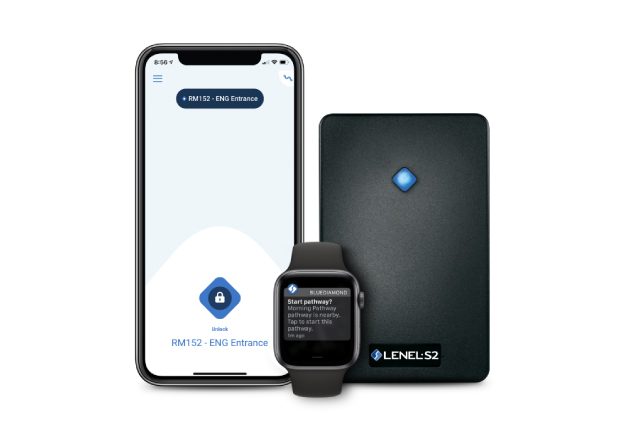
Why Businesses Choose LenelS2 for Enterprise Security
Organizations searching for enterprise-grade physical security systems usually compare scalability, integrations, centralized management, cybersecurity controls, compliance support, and long-term maintenance costs.
LenelS2 platforms are commonly adopted in industries where security failures carry financial, operational, or safety consequences. These include healthcare facilities, pharmaceutical labs, universities, manufacturing plants, transportation agencies, commercial real estate portfolios, and global enterprises.
The platform is known for:
- Enterprise access control
- Unified video surveillance integration
- Visitor management
- Credential management
- Open architecture support
- Multi-site administration
- Browser-based management
- Integration with HR and identity systems
- Cloud and hybrid deployment options
Many organizations also prefer LenelS2 because of its compatibility with existing Mercury hardware, reducing migration costs during upgrades. Several case studies highlight this advantage as a major factor in project approval.
What Makes LenelS2 Case Studies Important
Most companies researching enterprise security software are not looking for feature lists alone. They want proof that a system performs under pressure.
Customer case studies reveal:
| Evaluation Area | Why It Matters |
|---|---|
| Scalability | Can the platform support growth? |
| Integration | Does it connect with existing systems? |
| Reliability | Will it function across multiple facilities? |
| Compliance | Can it help meet industry regulations? |
| ROI | Does it reduce operational costs? |
| User Experience | Is management practical for daily operations? |
| Security Visibility | Can teams monitor incidents centrally? |
The strongest LenelS2 implementations show measurable operational gains rather than just technology deployment.
Fortune 50 Energy Company Reduced Costs Through System Integration
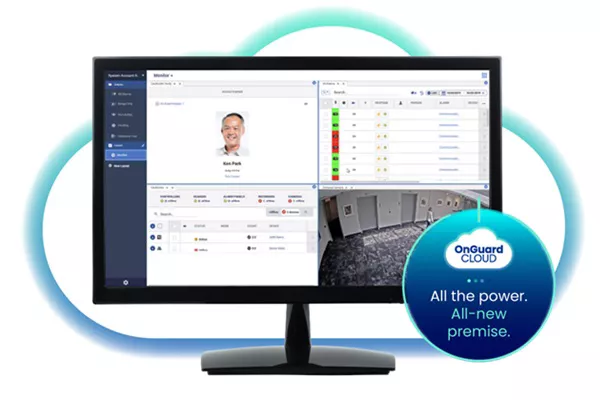
One of the most notable LenelS2 customer case studies involves a global Fortune 50 energy company that expanded its use of the OnGuard platform beyond traditional access control.
Initially, the company used the platform for:
- Credential management
- Alarm monitoring
- Access permissions
- Video analytics
- Reporting
As operational requirements evolved, leadership transformed the system into a broader enterprise resource management environment.
Key Results
The organization integrated multiple enterprise systems into the OnGuard platform, creating a centralized operational structure. According to the case study, the company achieved:
- Lower operational costs
- Improved system coordination
- Greater automation
- Enhanced reporting visibility
- Better enterprise-wide resource management
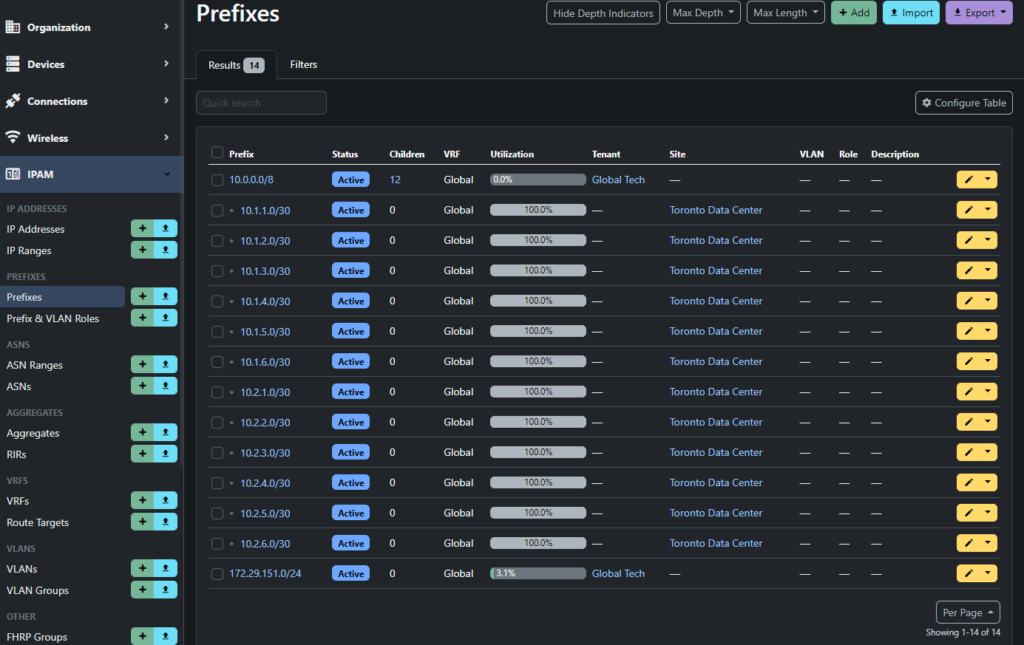
This case demonstrates how enterprise access control systems increasingly function as operational intelligence platforms instead of isolated security tools.
Strategic Insight
Many competitors focus only on door access. This deployment highlights a growing industry trend: physical security systems are becoming enterprise data ecosystems.
That shift matters for organizations managing:
- Distributed facilities
- Compliance-heavy operations
- High employee counts
- Complex identity management workflows
Healthcare and Pharmaceutical Security at Global Scale
Healthcare and pharmaceutical organizations operate under strict regulatory pressure while managing sensitive intellectual property and patient information.
A leading pharmaceutical company adopted LenelS2 NetBox Global to manage security operations across international facilities.
Challenges Faced
The organization needed:
- Global access control
- Centralized monitoring
- Regulatory compliance support
- Flexible deployment architecture
- Reduced infrastructure complexity
Facilities included:
- Research laboratories
- Manufacturing sites
- Corporate offices
- International operations
The company also needed support for:
- FDA-related compliance
- HIPAA considerations
- SOX governance requirements
Why LenelS2 Was Selected
Decision-makers favored the platform because of:
- Browser-based management
- Lower total ownership costs
- Centralized visibility
- Distributed architecture
- Integrated video management
The deployment allowed local operational control while maintaining centralized oversight across multiple countries.

Lessons for Healthcare Organizations
This case study reflects several important healthcare security trends:
1. Unified Security Is Becoming Standard
Healthcare organizations increasingly want access control, surveillance, visitor management, and forensic investigation tools under one platform.
2. Distributed Systems Reduce Infrastructure Risks
Regional facilities benefit from localized redundancy while enterprise teams retain centralized oversight.
3. Compliance Is Driving Security Investments
Physical security systems now support audit readiness, controlled access records, and incident documentation.
Manufacturing Operations Improved Shift-Based Security
Manufacturing facilities often require layered access permissions tied to employee roles, schedules, equipment authorization, and operational zones.
A manufacturing company deployed LenelS2 NetBox to manage access across a large industrial campus with over 830 employees.
Security Challenges
The organization struggled with:
- Limited access levels
- Poor scalability
- Complex employee permissions
- Operational inefficiencies
The company needed:
- Flexible access control
- Easier administration
- Manufacturing zone restrictions
- Shift-based access automation
Deployment Results
The LenelS2 implementation enabled:
- Granular access permissions
- Reader group management
- Shift-specific access control
- Integrated intrusion alarm coordination
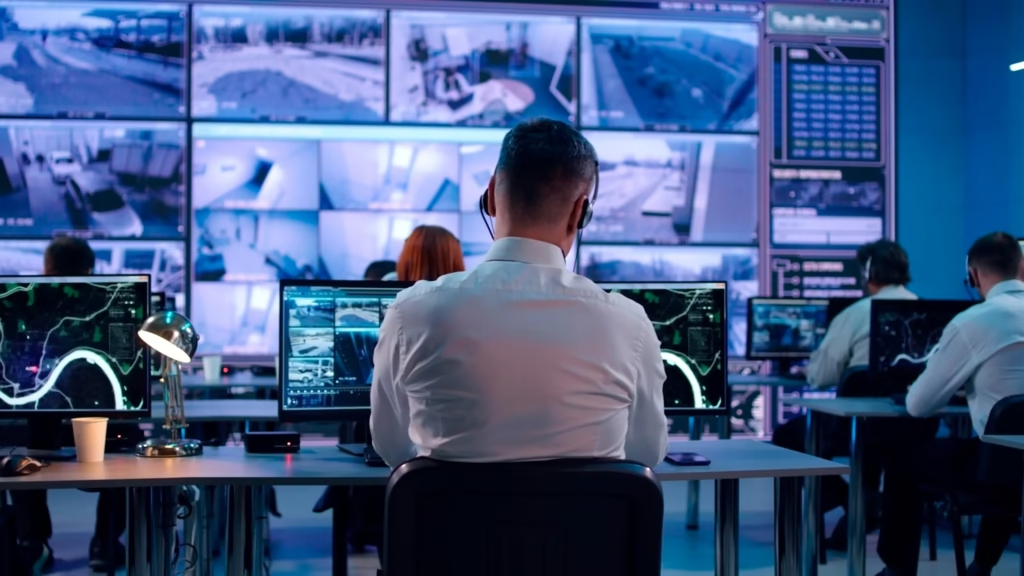
One notable operational improvement involved supervisor-controlled manufacturing access. Employees could only enter secured manufacturing areas after supervisors disabled intrusion systems.
Why This Matters
Industrial security increasingly depends on contextual authorization.
Modern manufacturers need systems that account for:
- Employee certifications
- Time-based access
- Equipment permissions
- Contractor restrictions
- Safety compliance
This case shows how enterprise access control directly supports workplace safety and operational discipline.
Universities Standardized Campus Security Across Multiple Locations
Educational institutions face unique security challenges because they manage:
- Open public spaces
- Student housing
- Academic buildings
- Healthcare facilities
- Athletic venues
- Large visitor populations
One university case study revealed the difficulty of managing fragmented security environments across campuses.
The Initial Problem
Before modernization, the institution operated dozens of separate security systems. This created:
- Administrative inefficiencies
- Inconsistent policies
- Hardware fragmentation
- Complex maintenance requirements
LenelS2 Solution
The university implemented:
- Enterprise-wide access control
- Centralized management
- Integrated video systems
- Distributed network architecture
Benefits Achieved
The deployment improved:
- Security standardization
- Operational efficiency
- System scalability
- Campus-wide monitoring
- Future expansion readiness
Higher Education Security Trends
Universities increasingly prioritize:
- Emergency lockdown integration
- Mobile credentials
- Centralized monitoring
- Multi-campus management
- Visitor tracking
- Identity lifecycle management
Large educational institutions require platforms that support tens of thousands of users without administrative overload.
Transportation Infrastructure Security Modernization
Transit authorities face difficult physical security challenges because facilities operate continuously and involve public access.
One transportation agency upgraded its access control environment using LenelS2 NetBox while preserving existing Mercury hardware investments.
Why the Upgrade Mattered
The organization needed:
- Lower maintenance costs
- Better usability
- Scalable infrastructure
- Simplified deployment
Instead of replacing all hardware, the migration allowed phased modernization.
Key Advantages
The case highlights an important factor in enterprise security decisions:
Open Architecture Reduces Long-Term Costs
Organizations rarely replace entire physical security infrastructures at once. Open-platform compatibility helps businesses:
- Protect existing investments
- Reduce disruption
- Spread deployment costs
- Minimize downtime
This flexibility remains one of the biggest drivers behind enterprise adoption.
Commercial Real Estate Security and Tenant Management
Commercial real estate operators face a different challenge than industrial or healthcare environments. They must balance tenant convenience with building-wide security visibility.
A major real estate company implemented LenelS2 NetBox and integrated video management systems across multiple properties.
Objectives Included
- Easier maintenance
- Lower operating costs
- Better visitor management
- Turnstile integration
- Centralized monitoring
Outcomes
The company improved:
- Tenant access management
- Visitor processing
- Security integration
- Administrative efficiency
The deployment also supported custom integrations tailored to different business divisions.
Industry Shift Toward Smart Buildings
Commercial property operators increasingly connect:
- Access control
- Elevator systems
- Visitor systems
- Parking management
- Surveillance analytics
- Building automation
Security platforms now contribute directly to tenant experience and operational efficiency.
Common Patterns Across Successful LenelS2 Deployments
After analyzing multiple customer implementations, several recurring patterns emerge.
1. Centralized Management Is a Major Priority
Organizations want fewer disconnected systems and more operational visibility.
2. Open Architecture Matters
Businesses prefer systems that integrate with:
- HR software
- Video surveillance
- Visitor management
- Identity providers
- Existing hardware
3. Scalability Influences Purchasing Decisions
Large enterprises need systems capable of supporting:
- Multiple facilities
- Thousands of users
- Distributed administration
- Regional redundancy
4. Compliance Is Driving Security Investments
Industries under regulatory pressure increasingly rely on centralized audit and access records.
5. Operational Efficiency Is as Important as Security
The strongest deployments improve workflows instead of creating administrative burden.
Real-World Challenges Businesses Still Report
No enterprise platform is perfect, and some industry professionals have discussed operational frustrations involving upgrades, licensing processes, and product support experiences.
Common concerns mentioned in community discussions include:
- Licensing delays
- Upgrade caution
- Video management limitations
- Support responsiveness
- Hardware transition complexity
These discussions highlight an important reality for enterprise buyers:
Large Security Platforms Require Strong Planning
Successful deployments depend on:
- Experienced integrators
- Proper testing environments
- Phased rollouts
- Long-term support planning
- Clear migration strategies
Organizations evaluating enterprise access control systems should assess not only software capabilities but also:
- Integration expertise
- Vendor ecosystem maturity
- Support infrastructure
- Upgrade roadmap stability
How Businesses Can Evaluate LenelS2 Before Deployment
Companies researching enterprise security platforms should evaluate several operational areas before committing to implementation.
Assess Existing Infrastructure
Review:
- Current hardware compatibility
- Reader technologies
- Credential systems
- Server environments
- Network architecture
Define Security Objectives Clearly
Prioritize:
- Access control
- Video integration
- Visitor management
- Compliance reporting
- Remote monitoring
- Mobile credentials
Consider Future Expansion
Enterprise systems should support:
- Additional facilities
- Cloud migration
- Mobile access
- API integrations
- Identity automation
Evaluate Integration Requirements
Modern organizations often require integration with:
- Active Directory
- HR platforms
- Building automation systems
- Video analytics tools
- Incident management platforms
Comparison of LenelS2 Use Cases Across Industries
| Industry | Primary Security Need | Typical LenelS2 Benefit |
|---|---|---|
| Healthcare | Compliance and restricted access | Centralized audit visibility |
| Manufacturing | Shift-based permissions | Granular access control |
| Education | Multi-campus management | Unified administration |
| Real Estate | Tenant and visitor management | Integrated building security |
| Transportation | Infrastructure scalability | Hardware migration flexibility |
| Enterprise Corporations | Global operations | Centralized security oversight |
Emerging Trends in Enterprise Access Control
The physical security industry continues evolving rapidly.
Several trends are shaping future LenelS2 deployments:
Cloud-Based Access Control
Organizations increasingly seek:
- Remote administration
- Reduced infrastructure costs
- Faster updates
- Multi-site scalability
Mobile Credentials
Businesses are gradually replacing physical cards with:
- Smartphone credentials
- NFC authentication
- Bluetooth access
Unified Security Operations
Security leaders want integrated visibility across:
- Access control
- Video surveillance
- Visitor management
- Threat monitoring
Cybersecurity Integration
Physical security systems now fall under broader cybersecurity governance programs.
What Businesses Can Learn From These Customer Case Studies
The strongest takeaway from these LenelS2 customer case studies is that enterprise security platforms create the most value when aligned with operational goals.
The most successful organizations used access control systems to improve:
- Efficiency
- Visibility
- Compliance
- Centralization
- Scalability
- Incident response
Instead of treating physical security as an isolated department function, they integrated it into broader business operations.
That approach explains why enterprise access control continues evolving into a strategic operational platform rather than simply a door management system.
FAQ Section
What is LenelS2 used for?
LenelS2 is primarily used for enterprise access control, video surveillance integration, visitor management, alarm monitoring, and centralized security operations management.
Which industries commonly use LenelS2?
Industries include healthcare, higher education, manufacturing, transportation, government facilities, commercial real estate, and enterprise corporations.
What is the difference between OnGuard and NetBox?
OnGuard is commonly deployed in large enterprise environments requiring extensive integrations and scalability, while NetBox is known for browser-based management and flexible deployment options.
Why do enterprises choose LenelS2?
Organizations often choose LenelS2 because of:
- Scalability
- Open architecture
- Enterprise integrations
- Multi-site management
- Compliance support
- Hardware compatibility
Can LenelS2 integrate with existing hardware?
Many deployments support Mercury hardware compatibility, helping organizations modernize systems without replacing all infrastructure.
Is LenelS2 suitable for multi-location organizations?
Yes. Several customer case studies show successful deployments across universities, healthcare groups, transportation systems, and global enterprises with distributed facilities.
What are common challenges during deployment?
Common challenges include:
- Upgrade planning
- Licensing management
- Integration complexity
- Support coordination
- Migration scheduling
Does LenelS2 support video surveillance integration?
Yes. Many deployments integrate video management systems alongside access control for unified security monitoring.

