
The biometric e Passport has quietly become one of the most important identity documents in global travel infrastructure. Unlike traditional passports that rely on printed information and a photograph, an ePassport integrates a secure microchip that stores biometric data such as facial recognition templates, fingerprints, or iris patterns. This evolution is part of a broader identity modernization effort led by international standards bodies like the International Civil Aviation Organization, which defines global passport interoperability under ICAO Doc 9303.
What makes the biometric ePassport significant is not just the embedded chip, but how it reshapes border security, immigration processing, and identity verification. Countries have adopted it to reduce identity fraud, streamline airport processing, and improve traveler experience at automated gates known as eGates. Systems like the U.S. Department of State ePassport program and the European Union biometric travel framework have accelerated global adoption.

For travelers, the shift is subtle but impactful. You still carry a passport, but behind the cover lies encrypted data that can be verified instantly by machines at airports worldwide. This article breaks down how biometric ePassports work, what technologies power them, and why they are becoming a global standard in secure identification systems.
What Is a Biometric ePassport?
A biometric ePassport is an enhanced version of a traditional passport that contains an embedded RFID microchip storing the holder’s personal and biometric information. This includes the passport holder’s digital facial image and sometimes fingerprints or iris scans, depending on the issuing country. The goal is to ensure that the person carrying the passport is the legitimate owner of the document.
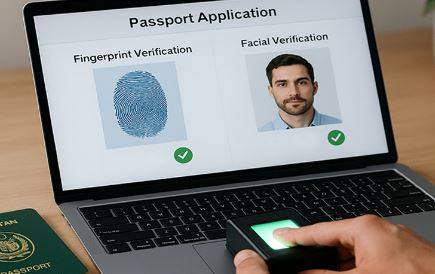
Unlike older passports, where identity verification depends on visual inspection, ePassports allow machine-readable authentication. Border control systems scan the chip using contactless NFC technology and match the stored biometric data with the traveler’s live scan. This reduces forgery risks significantly.
The standard for these documents is defined globally under ICAO specifications, ensuring interoperability across countries. Nations like the United States, United Kingdom, Germany, Canada, and Pakistan have integrated biometric passports into their immigration systems. Even though designs differ, the underlying architecture remains consistent, enabling global recognition.
The biometric ePassport is not just a travel document; it is part of a larger digital identity ecosystem that connects border security, national databases, and international travel systems in real time.
How a Biometric ePassport Works
A biometric ePassport functions through a combination of embedded chip technology, encryption systems, and global verification protocols. At its core is a contactless RFID chip placed inside the passport cover. This chip stores encrypted biometric data, which is protected using cryptographic keys defined by ICAO security standards.
When a traveler approaches an automated border gate, the passport is scanned using NFC (Near Field Communication). The system retrieves the chip data and compares it with live biometric capture—usually a facial scan. If the match is successful, the traveler is cleared for entry or exit within seconds.
To prevent unauthorized access, ePassports use mechanisms like Basic Access Control (BAC) and Extended Access Control (EAC). These ensure that only authorized government systems can read the chip data. The digital signature stored on the chip also verifies that the passport has not been tampered with.
Modern border systems in regions like the EU Schengen Zone, Singapore Changi Airport, and Dubai International Airport rely heavily on this automated validation process, reducing manual inspection workload and improving throughput at immigration counters.
Core Technologies Behind Biometric ePassports
The biometric ePassport ecosystem is built on several interconnected technologies that ensure security, accuracy, and global compatibility. The most important component is RFID chip technology, which stores encrypted identity data securely within the passport document.
Public Key Infrastructure (PKI) plays a central role in securing this data. Each issuing country maintains a digital certificate authority that signs passport data, ensuring authenticity during international verification. This prevents cloning or tampering of passports.
Biometric systems used in ePassports typically include facial recognition algorithms, fingerprint scanning, and iris recognition. Facial recognition is the most widely adopted because it requires minimal user interaction and works well with automated border gates.
Standards set by the International Civil Aviation Organization ensure that all countries follow the same technical specifications, enabling global interoperability. Without these standards, a passport issued in one country would not be reliably readable in another.
Together, these technologies form a layered security model that strengthens identity verification while maintaining ease of use for travelers.
Benefits of Biometric ePassports
Biometric ePassports offer significant advantages for governments, border agencies, and travelers. The most important benefit is enhanced security. Because biometric data is unique to each individual, identity fraud becomes significantly more difficult compared to traditional passports.
Another major advantage is faster immigration processing. Automated eGates can verify a traveler in seconds, reducing long queues at airports. Countries like the United Kingdom and Germany have reported substantial improvements in passenger flow efficiency after adopting biometric systems.

For governments, ePassports help strengthen national security by improving tracking and verification capabilities. They also reduce reliance on manual inspections, lowering operational costs over time.
Travelers benefit from smoother journeys, especially in high-traffic airports that support biometric verification. The system also reduces human error in identity verification, improving overall accuracy in border control operations.
Countries Adopting Biometric ePassports
The adoption of biometric ePassports has become nearly global, though implementation stages vary. The United States introduced its electronic passport system in 2006, integrating RFID chips into all new passports issued by the U.S. Department of State.
In Europe, countries within the Schengen Area have widely adopted biometric passports, enabling seamless travel across internal borders. The United Kingdom also issues biometric passports with facial recognition data embedded in the chip.
In Asia, Singapore, Japan, and South Korea have implemented advanced ePassport systems integrated with automated immigration gates. Pakistan has also modernized its passport system through the Directorate General of Immigration & Passports, introducing chip-based biometric passports for enhanced verification.
Each country may differ in biometric data storage, but all follow ICAO interoperability guidelines to ensure global usability.
Security and Privacy Concerns

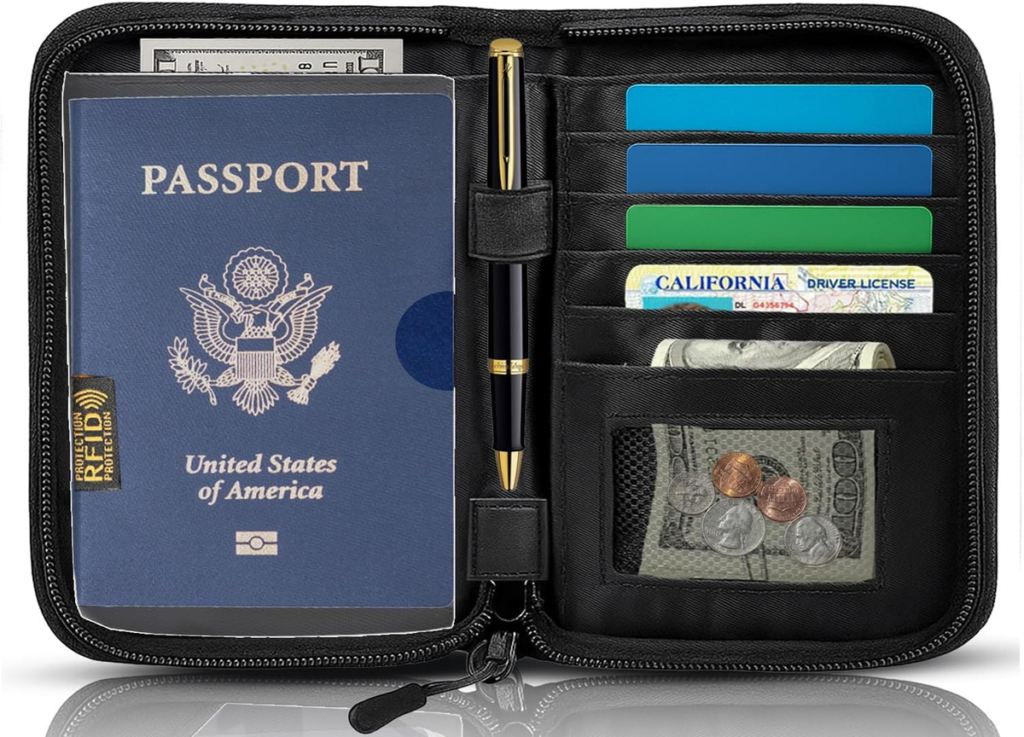
Despite its advantages, biometric ePassport technology raises important privacy and security concerns. One of the primary issues is the risk of unauthorized chip scanning, commonly known as skimming. If not properly protected, RFID chips could theoretically be read without the holder’s knowledge.
To address this, modern passports include shielding materials and encryption protocols that prevent unauthorized access. However, concerns about centralized biometric databases persist, particularly regarding how governments store and manage sensitive identity data.
Another concern is data misuse. If biometric databases are compromised, unlike passwords, biometric traits cannot be changed. This makes security frameworks extremely important in protecting identity integrity.
Governments continue to refine encryption standards and access control systems to minimize these risks while maintaining usability for international travel.
Future of Biometric ePassports
The future of biometric ePassports is closely tied to digital identity systems and border automation technologies. Many countries are exploring integration with mobile identity wallets and blockchain-based identity verification systems.
Emerging airports are already testing fully contactless travel journeys where passengers can pass through immigration without showing physical documents, relying entirely on facial recognition systems linked to biometric databases.
Artificial intelligence is also expected to play a larger role in identity verification, improving accuracy in real-time matching and fraud detection.
As global mobility increases, biometric ePassports will likely evolve into multi-functional digital identity tools that extend beyond travel, potentially integrating banking, healthcare, and government services into a unified identity framework.
FAQ Section
What is a biometric ePassport?
A biometric ePassport is a passport with an embedded microchip that stores personal and biometric data for secure identity verification.
How is an ePassport different from a normal passport?
It contains a digital chip with encrypted biometric data, while traditional passports rely only on printed information and photos.
Is biometric data safe in ePassports?
Yes, it is protected using encryption and international security standards defined by ICAO, though concerns about data privacy still exist.
Can an ePassport be hacked?
While difficult, unauthorized access risks exist, which is why strong encryption and access control systems are used.
Which countries use biometric ePassports?
Countries like the United States, United Kingdom, Germany, Singapore, Japan, and Pakistan use biometric passport systems.

