
A high nose bridge is one of the most discussed facial features in both cosmetic dermatology and anthropology. It refers to a nasal structure where the upper part of the nose—the bridge or nasal dorsum—appears more elevated, straight, or pronounced compared to lower or flatter nasal shapes. This feature plays a significant role in overall facial balance, influencing how the eyes, cheekbones, and jawline are visually perceived.
Interest in nose bridge height has increased due to social media, beauty trends, and the rise of non-surgical aesthetic procedures. However, beyond aesthetics, it is deeply rooted in genetics and population diversity, making it a naturally occurring variation rather than a flaw or enhancement.
In clinical practice, professionals such as plastic surgeons and ENT specialists evaluate nose bridge structure when assessing facial harmony or planning procedures like rhinoplasty or dermal filler correction. Understanding this feature helps distinguish between natural variation and aesthetic preference, making it an important topic in modern facial analysis
What Is a High Nose Bridge? (Anatomy Explained)
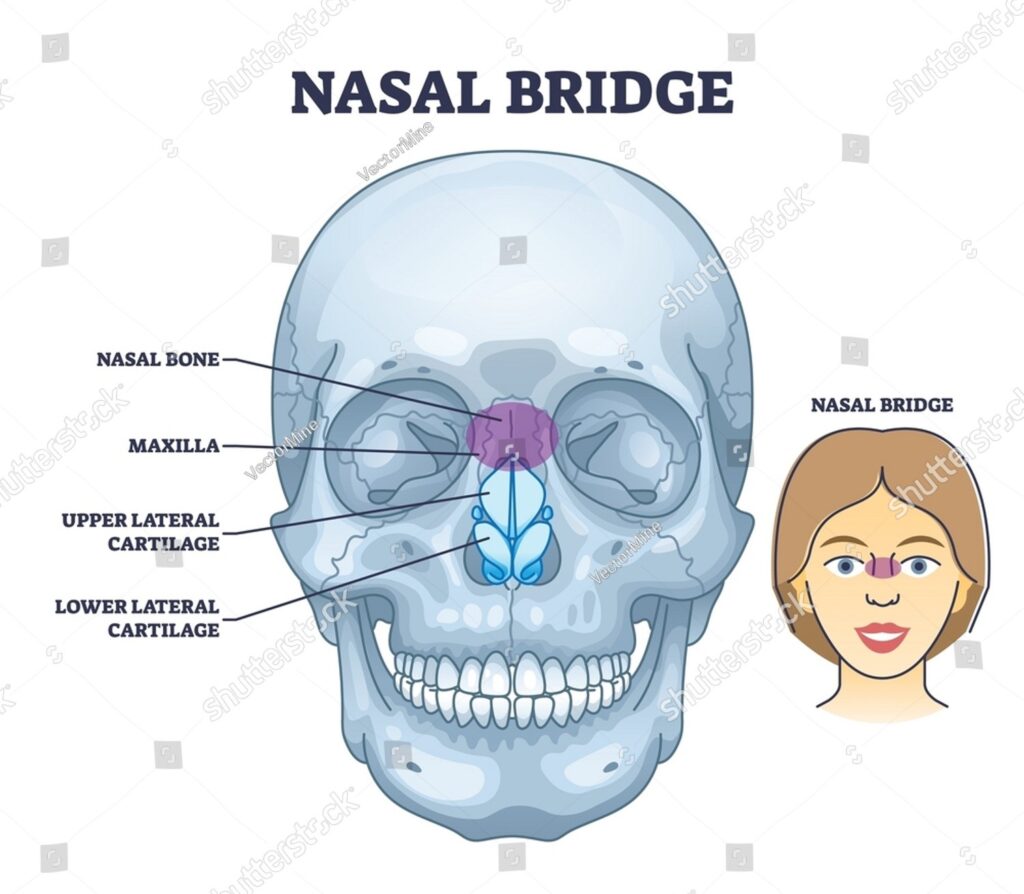
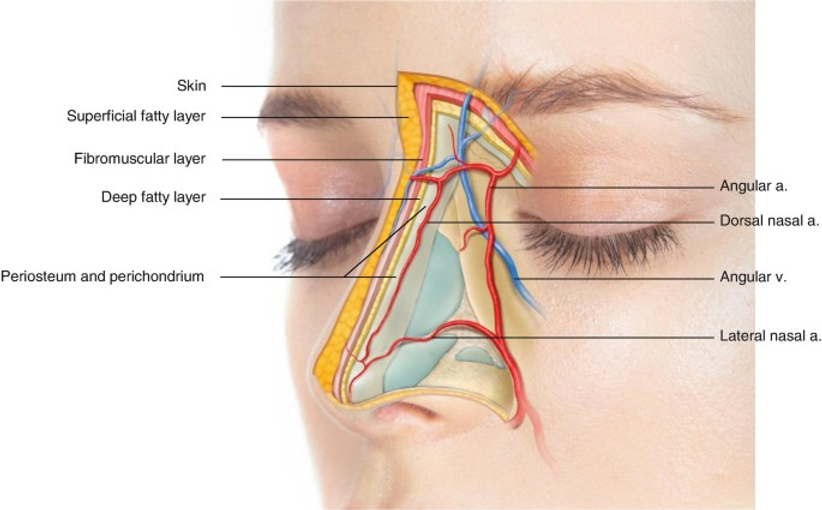
A high nose bridge refers to the elevated structure of the nasal dorsum, which extends from the nasal root (between the eyes) down to the tip of the nose. In anatomical terms, it involves the bone and cartilage framework that defines nasal projection and height.
Individuals with a high nose bridge typically have:
- A more prominent nasal profile
- A straight or slightly convex nasal dorsum
- Increased vertical height between the eyes and nose tip
- Stronger shadow definition along the nose line
From an anatomical standpoint, the nasal bones and upper lateral cartilages contribute significantly to this structure. The perception of “height” is also influenced by surrounding features such as deep-set eyes, brow ridge prominence, and cheekbone structure.
This feature is often assessed in facial analysis within cosmetic dermatology and plastic surgery consultations, particularly when evaluating symmetry and proportional balance.
Causes of a High Nose Bridge
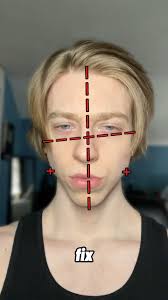
The height of the nasal bridge is primarily determined by genetics. However, several contributing factors shape its final appearance.
1. Genetic Inheritance
Facial bone structure is strongly inherited. Families often share similar nasal profiles, including bridge height, width, and curvature.
2. Ethnic and Population Variation
Different populations exhibit distinct nasal characteristics due to evolutionary adaptation. For example:
- European populations often have narrower and higher bridges
- East Asian populations may have lower or flatter bridges
- Middle Eastern populations often present strong, defined nasal dorsums
3. Bone and Cartilage Development
During adolescence, nasal bones and cartilage continue to develop. Hormonal changes and overall skeletal growth influence final shape.
4. Trauma or Injury (Less Common)
Nasal injuries during childhood can sometimes alter growth patterns, affecting perceived bridge height.
These factors combine to create natural diversity in nasal anatomy, which is why no single “ideal” nose shape exists globally.
High Nose Bridge and Facial Harmony
Facial harmony is not about individual features but how they interact together. A high nose bridge often creates stronger mid-face definition, which can enhance or dominate facial balance depending on surrounding structures.
In aesthetic evaluation, professionals analyze:
- Nasofrontal angle (between forehead and nose)
- Nasolabial angle (between nose and upper lip)
- Midface projection
- Eye spacing and depth
A well-proportioned high nose bridge can create a refined and structured appearance. However, if overly prominent relative to other features, it may appear disproportionate in certain facial contexts.
Beauty standards vary significantly across cultures, meaning a feature considered attractive in one region may be viewed differently elsewhere. Modern aesthetic medicine focuses more on harmony rather than alteration toward a single ideal.
High Nose Bridge in Different Populations
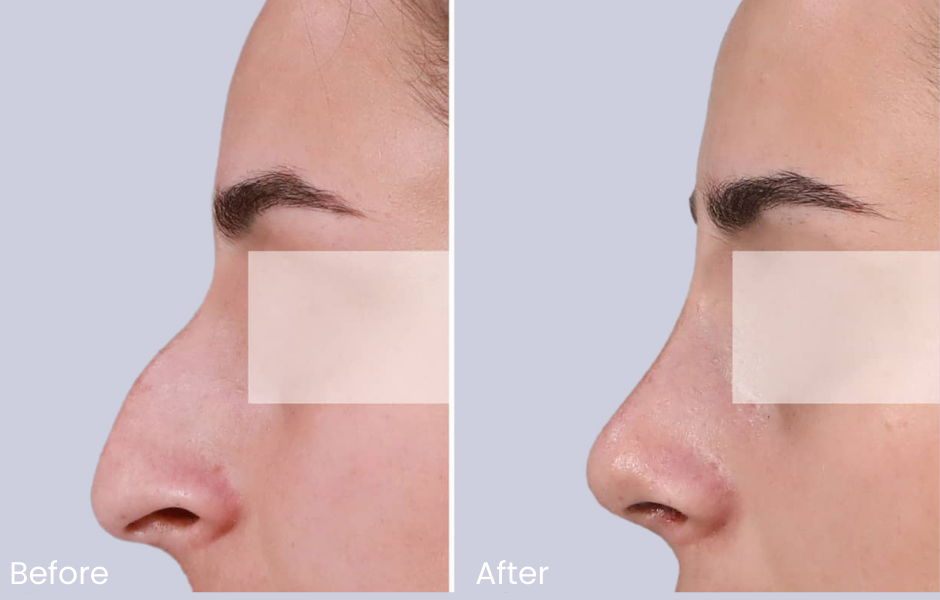
Nasal structure varies widely across global populations due to long-term genetic adaptation and environmental influences.
- European populations: Often have higher and narrower nasal bridges with sharper definition
- African populations: Typically feature broader nasal bases with lower bridge projection
- East Asian populations: Commonly exhibit flatter nasal dorsums with softer contours
- Middle Eastern populations: Frequently show strong, high, and prominent bridges
These differences are studied in fields such as anthropology and craniofacial research to understand human diversity and evolutionary adaptation.
It is important to recognize that none of these variations indicate superiority; they are simply natural anatomical expressions shaped by geography and genetics.
Cosmetic Considerations and Enhancements
In modern aesthetic medicine, the nose bridge is one of the most commonly treated facial areas. Two primary approaches exist:
Surgical Rhinoplasty
Rhinoplasty is a surgical procedure performed by plastic surgeons to modify bone and cartilage structure. It can:
- Reduce or increase bridge height
- Straighten nasal curvature
- Improve facial symmetry
Non-Surgical Nose Reshaping
Dermal fillers such as Hyaluronic acid filler are used in liquid rhinoplasty. This technique:
- Adds volume to low areas
- Smooths minor irregularities
- Provides temporary results (6–18 months)
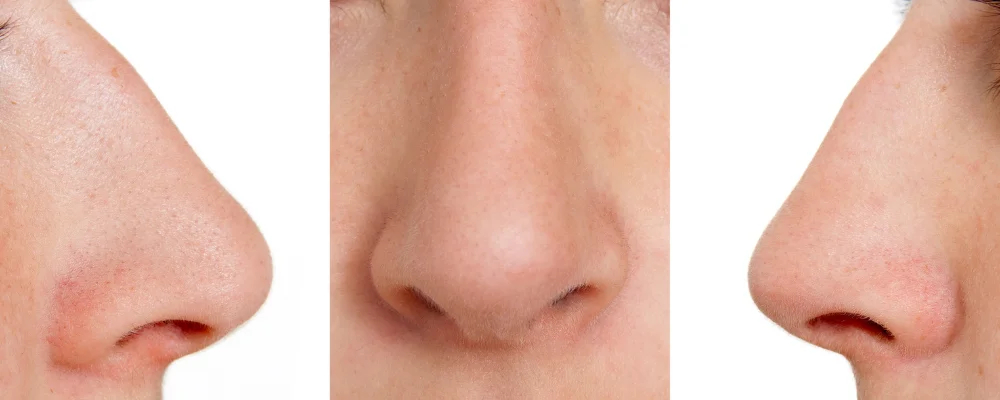
Both methods are evaluated by specialists in cosmetic dermatology and facial plastic surgery. Consultation with a qualified ENT specialist is essential before considering any procedure.
How to Identify Your Nose Bridge Type
Determining nose bridge height can be done through simple observation or professional assessment.
Key indicators include:
- Side profile analysis in a mirror
- Alignment with eye level
- Depth of nasal root between eyebrows
- Straightness or curvature of the dorsum
In clinical settings, surgeons use photographic analysis and facial proportion ratios to classify nose shape accurately.
Understanding your nasal structure helps in making informed aesthetic or corrective decisions without relying on subjective perception alone.
Techniques for High Nose Bridge
Makeup artists often use contouring to modify the visual perception of nose structure.
Techniques include:
- Soft contouring along sidewalls of the nose
- Highlighting the bridge center for definition
- Blending to avoid harsh lines
- Adjusting brow and cheek balance for harmony
These methods do not change anatomy but can significantly alter how nose height is perceived in photos and real life lighting conditions.
Does a High Nose Bridge Affect Health?
In most cases, a high nose bridge is purely a cosmetic characteristic and has no impact on breathing or nasal function. However, nasal structure can sometimes correlate with:
- Sinus airflow efficiency
- Nasal cavity space
- Septal alignment issues (in some cases unrelated to bridge height)
Any functional concerns should be evaluated by a medical professional rather than assumed based on appearance.
When Do People Consider Changing It?
People typically explore cosmetic changes when:
- They feel facial imbalance exists
- There is dissatisfaction with profile appearance
- Cultural or personal beauty preferences influence perception
- Previous injury altered nasal shape
Modern aesthetic practice emphasizes personalized results rather than standardized ideals, focusing on proportional balance with other facial features.
FAQ: High Nose Bridge
Is a high nose bridge attractive?
Attractiveness is subjective. In some cultures, it is associated with facial sharpness and definition, while in others softer nasal shapes are preferred.
Can a low nose bridge be made higher naturally?
No natural method permanently changes bone structure. Only dermal fillers or surgical procedures can alter height.
Is a high nose bridge genetic?
Yes, genetics is the primary determining factor for nasal bridge height.
Does it change with age?
The nose can appear more prominent with age due to skin thinning and cartilage changes, but the bone structure remains stable.
Is surgery safe for nose reshaping?
When performed by qualified surgeons, procedures like rhinoplasty are generally safe, but like any surgery, they carry risks that must be evaluated individually.

