
Modern businesses depend on fast applications. A delay of even one second can reduce conversions, frustrate users, and increase bounce rates. This is why companies across finance, healthcare, eCommerce, education, and cloud services now rely on an application acceleration manager to improve performance, reduce latency, and maintain stable digital experiences.
An application acceleration manager is not just another IT tool. It acts as a performance optimization layer that improves application delivery, manages traffic intelligently, compresses data, optimizes bandwidth usage, and supports faster response times across distributed environments. From enterprise networks to cloud-native platforms, acceleration technologies have become a core part of digital infrastructure planning.
Organizations now run applications across hybrid cloud systems, remote work environments, edge locations, and global data centers. Traditional delivery methods often struggle to keep up with these demands. Slow APIs, overloaded servers, network congestion, and inefficient routing can damage both customer experience and operational productivity. Application acceleration management solves these issues by streamlining how applications move across networks and how resources are allocated in real time.

This guide explains how application acceleration managers work, why businesses use them, which technologies are involved, and how companies can choose the right strategy for long-term performance gains.
What Is an Application Acceleration Manager?
An application acceleration manager is a software-based or hardware-assisted system designed to improve application performance, reduce network delays, and optimize data delivery between servers and users.
It helps organizations deliver applications faster by managing traffic flows, compressing data, caching content, balancing loads, and reducing unnecessary network overhead. The goal is simple: applications should load quickly and operate smoothly regardless of user location, network condition, or infrastructure complexity.
In many enterprise environments, applications operate across multiple cloud providers, branch offices, mobile networks, and remote devices. This creates latency challenges and bandwidth inefficiencies. An application acceleration manager addresses these issues through technologies such as:
- WAN optimization
- TCP optimization
- Data deduplication
- Intelligent caching
- Compression algorithms
- Application delivery control
- Traffic prioritization
- SSL offloading
- Load balancing
Instead of relying only on raw network speed, acceleration managers optimize how data moves through the system. This often produces noticeable performance gains without requiring expensive infrastructure upgrades.

For example, a remote employee accessing a cloud-based ERP platform may experience lag due to network congestion. An acceleration manager can cache repetitive data, compress traffic, and prioritize business-critical packets, reducing load times significantly.
Why Application Performance Matters More Than Ever
Application speed directly affects customer behavior, employee productivity, and revenue generation. Research consistently shows that users abandon slow applications quickly. Mobile users are even less patient, especially when interacting with cloud services or online platforms.
Businesses now compete heavily on digital experience. Fast-loading applications improve:
- Customer retention
- Search engine visibility
- Conversion rates
- User engagement
- Employee efficiency
- Operational continuity
Poor performance creates hidden costs. IT teams spend more time troubleshooting delays, support tickets increase, and infrastructure usage becomes inefficient. Over time, these issues impact profitability.
Application acceleration management helps organizations maintain stable digital operations while supporting growing traffic demands. This becomes especially important for industries handling high-volume transactions, real-time analytics, video streaming, SaaS platforms, and remote workforce environments.
Companies using cloud-native architectures also face challenges related to distributed workloads. Applications no longer operate from a single data center. They exist across containers, Kubernetes clusters, edge networks, and multi-cloud systems. Acceleration management ensures consistent performance despite this complexity.
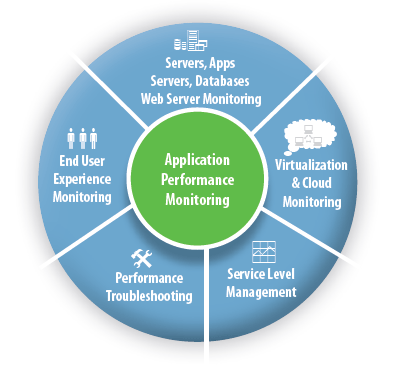
Core Functions of an Application Acceleration Manager
Traffic Optimization
Traffic optimization controls how application data moves through the network. The acceleration manager identifies congestion points and routes traffic more efficiently.
Some systems prioritize critical business applications while limiting non-essential traffic. For example, VoIP calls and customer-facing applications may receive higher priority than background file synchronization tasks.
Traffic shaping helps reduce packet loss, improve response times, and stabilize user sessions during peak usage periods.
Data Compression
Large amounts of application data consume bandwidth and slow performance. Compression reduces the size of transferred data packets without affecting usability.
Compression techniques are especially valuable for remote offices, hybrid cloud environments, and international operations where bandwidth costs are high.
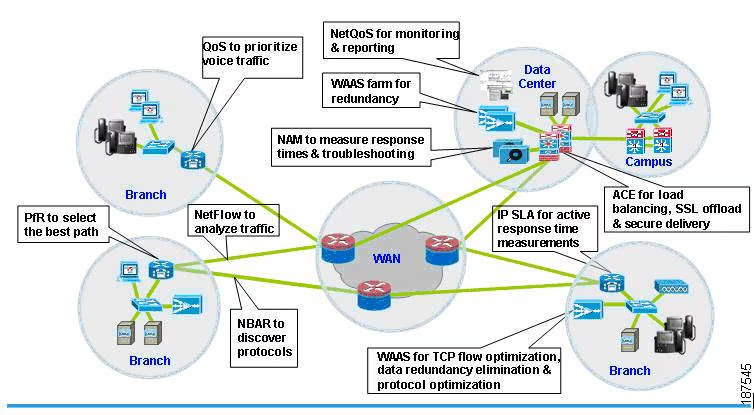
By reducing payload sizes, applications become faster and network resources are used more efficiently.
Intelligent Caching
Caching stores frequently accessed content closer to users. Instead of retrieving identical data repeatedly from a central server, the system serves cached copies locally.
This dramatically improves application responsiveness while reducing server load.
Examples include:
- Web application assets
- Repetitive database queries
- Static content delivery
- Frequently requested API responses
Caching also helps reduce latency for geographically distributed teams.
Load Balancing
Application acceleration managers often include load balancing capabilities. Incoming traffic is distributed across multiple servers to prevent overload conditions.
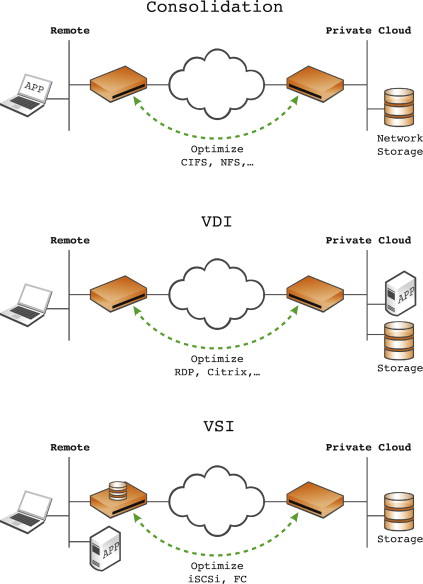
Benefits include:
- Improved uptime
- Better scalability
- Reduced server stress
- Higher fault tolerance
Load balancing becomes essential during traffic spikes, software updates, and large-scale digital events.
WAN Optimization
Wide Area Network optimization improves performance across geographically dispersed locations.
WAN acceleration techniques include:
- Protocol optimization
- Traffic deduplication
- Packet prioritization
- Latency reduction
- Connection multiplexing
These methods help remote users access centralized applications with minimal delays.
How Application Acceleration Managers Work
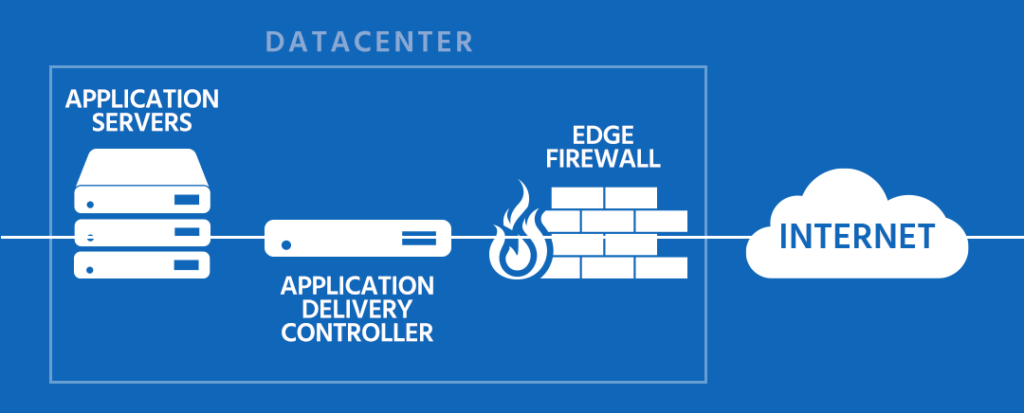
Application acceleration managers operate between users and application servers. They analyze traffic patterns, optimize delivery methods, and reduce unnecessary processing delays.
The workflow generally includes:
| Stage | Function |
|---|---|
| Traffic Inspection | Analyzes incoming and outgoing data |
| Compression | Reduces packet sizes |
| Caching | Stores reusable content |
| Routing Optimization | Chooses efficient network paths |
| Load Distribution | Prevents server overload |
| Security Processing | Handles encryption and SSL optimization |
Many modern systems integrate with cloud platforms, virtualization tools, and containerized applications.
AI-driven acceleration technologies are also becoming more common. These systems monitor usage behavior and dynamically adjust optimization strategies based on real-time conditions.
Key Benefits of Using an Application Acceleration Manager
Faster User Experience
Users expect applications to respond instantly. Acceleration management minimizes delays and improves responsiveness across devices and locations.
Fast applications increase engagement and customer satisfaction while lowering abandonment rates.
Reduced Network Costs
Optimization reduces unnecessary data transfers and bandwidth usage. Businesses often postpone expensive infrastructure upgrades because acceleration technologies improve existing resource efficiency.
Improved Scalability
As traffic grows, acceleration systems help applications handle increased demand without major performance degradation.
This is especially useful for SaaS companies and high-growth digital platforms.
Better Remote Workforce Support
Remote work environments rely heavily on cloud applications and virtual collaboration tools.
Acceleration managers improve remote access reliability by reducing latency and optimizing VPN traffic.
Stronger Application Stability
Performance bottlenecks can trigger crashes, downtime, and failed transactions. Acceleration systems stabilize workloads and distribute resources more effectively.
This improves overall business continuity.
Application Acceleration Manager vs Traditional Network Optimization
Many organizations confuse traditional network optimization with application acceleration management. While both improve performance, their focus areas differ significantly.
| Feature | Traditional Network Optimization | Application Acceleration Manager |
|---|---|---|
| Focus | Network infrastructure | Application performance |
| Traffic Handling | Basic routing | Intelligent application-aware routing |
| Caching | Limited | Advanced caching |
| Compression | Basic | Deep compression techniques |
| Cloud Integration | Partial | Extensive |
| User Experience Focus | Indirect | Direct |
| Real-Time Adaptation | Limited | Dynamic optimization |
Application acceleration managers provide more advanced control over application behavior and user experience.
Industries That Depend on Application Acceleration
Healthcare
Healthcare organizations run electronic medical record systems, telemedicine platforms, and cloud-based patient management software.
Acceleration improves secure data delivery while reducing delays during critical operations.
Banking and Finance
Financial institutions require ultra-fast transaction processing and stable digital banking experiences.
Acceleration technologies help maintain low latency for payment systems, trading platforms, and customer portals.
eCommerce
Online stores depend heavily on page speed and checkout performance.
Faster applications improve:
- Conversion rates
- Cart completion
- Customer retention
- Mobile shopping experiences
Education
Learning management systems, video platforms, and virtual classrooms require stable performance across distributed student networks.
Acceleration helps reduce buffering and improve platform reliability.
Manufacturing
Manufacturers increasingly rely on IoT systems, cloud analytics, and remote monitoring platforms.
Acceleration management supports real-time operational visibility and data processing.
Cloud Computing and Application Acceleration
Cloud adoption has changed how applications are delivered. Traditional acceleration methods focused mainly on internal enterprise networks. Modern systems now support:
- Multi-cloud environments
- Hybrid infrastructure
- Edge computing
- Container orchestration
- Microservices architectures
Cloud-native acceleration solutions optimize application delivery across distributed infrastructures.
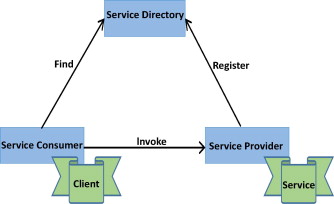
For example, Kubernetes environments often experience traffic management challenges due to scaling events and dynamic workloads. Acceleration managers help stabilize communication between services while improving API responsiveness.
Edge computing also benefits significantly from acceleration strategies. Data processed closer to users reduces latency and improves real-time interactions.
Security Considerations in Application Acceleration
Performance should never compromise security. Modern acceleration managers integrate multiple security functions directly into the optimization process.
These often include:
- SSL/TLS encryption handling
- DDoS mitigation
- Traffic inspection
- Web application firewall integration
- Access control policies
- Secure remote connectivity
Security-aware acceleration systems help organizations maintain compliance standards while supporting performance goals.
Businesses handling sensitive customer data especially benefit from integrated security acceleration architectures.
Common Challenges Businesses Face
Despite the advantages, organizations may encounter challenges during deployment.
Legacy Infrastructure Compatibility
Older applications may not integrate smoothly with modern acceleration technologies.
IT teams often need staged deployment plans and compatibility testing.
Incorrect Traffic Prioritization
Poor configuration can accidentally slow important services while prioritizing less critical traffic.
Performance monitoring becomes essential.
Cloud Complexity
Multi-cloud systems introduce routing complexity, inconsistent latency patterns, and vendor-specific configurations.
Acceleration policies must remain flexible.
Monitoring Difficulties
Without visibility tools, organizations struggle to identify bottlenecks accurately.
Comprehensive analytics and observability platforms improve optimization accuracy.
Best Practices for Implementing an Application Acceleration Manager
Analyze Application Behavior First
Before deployment, organizations should identify:
- High-latency applications
- Bandwidth-heavy services
- User access patterns
- Traffic bottlenecks
This ensures targeted optimization.
Prioritize User Experience Metrics
Focus on:
- Response times
- Application availability
- Session stability
- API latency
- Mobile performance
Technical improvements should always support real user outcomes.
Use Layered Optimization
Combining:
- CDN strategies
- Edge caching
- Load balancing
- Compression
- WAN optimization
produces stronger long-term performance gains.
Continuously Monitor Performance
Optimization is not a one-time project. Traffic patterns evolve constantly.
Organizations should monitor:
- Application throughput
- Error rates
- Network latency
- Resource utilization
- User engagement metrics
Regular adjustments maintain optimal performance.
Future Trends in Application Acceleration Management
The application acceleration market continues evolving rapidly.
Several emerging trends are shaping the future:
AI-Driven Traffic Management
Machine learning systems increasingly automate optimization decisions based on real-time traffic analysis.
Edge Acceleration
More applications now operate closer to users through edge computing environments.
5G Integration
High-speed mobile networks are changing how applications are optimized for mobile users.
Zero Trust Architectures
Security-focused networking models are becoming integrated with acceleration systems.
Observability-Based Optimization
Advanced analytics platforms now provide deeper visibility into application behavior, enabling more accurate acceleration strategies.
Organizations adopting these technologies early may gain significant performance advantages.
How to Choose the Right Application Acceleration Manager
Choosing the right solution depends on business size, infrastructure complexity, application type, and performance goals.
Key evaluation factors include:
| Criteria | Importance |
|---|---|
| Cloud Compatibility | Essential for hybrid environments |
| Security Features | Protects sensitive traffic |
| Scalability | Supports business growth |
| Analytics Visibility | Improves troubleshooting |
| Integration Flexibility | Works with existing systems |
| Automation Support | Reduces manual management |
| Vendor Support | Ensures long-term reliability |
Decision-makers should also evaluate:
- Total cost of ownership
- Deployment complexity
- Long-term maintenance needs
- Compliance requirements
- User experience improvements
A pilot deployment often helps validate performance gains before large-scale implementation.
Real-World Example of Application Acceleration
A multinational retail company experienced slow inventory synchronization across regional offices. Employees reported delays accessing cloud-based management systems during peak business hours.
The organization implemented an application acceleration manager with:
- WAN optimization
- Intelligent caching
- Traffic prioritization
- Compression policies
Within weeks, average application response times improved significantly. Network bandwidth consumption dropped, and operational delays were reduced across multiple locations.
The company avoided expensive bandwidth upgrades while improving employee productivity and customer transaction processing.
FAQ Section
What does an application acceleration manager do?
An application acceleration manager improves application performance by optimizing traffic flow, compressing data, reducing latency, balancing workloads, and enhancing network efficiency.
Why is application acceleration important?
Application acceleration improves user experience, reduces delays, increases productivity, lowers bandwidth costs, and supports stable digital operations across cloud and enterprise environments.
Is application acceleration only for large enterprises?
No. Small and medium-sized businesses also benefit from faster cloud applications, improved remote access, and reduced network congestion.
How does WAN optimization relate to application acceleration?
WAN optimization is one component of application acceleration. It focuses specifically on improving performance across wide-area networks and distributed locations.
Can application acceleration improve cloud application performance?
Yes. Modern acceleration systems optimize cloud-native applications, APIs, containers, and hybrid infrastructures for better responsiveness and reliability.
Does application acceleration affect security?
Modern acceleration solutions often improve security by integrating SSL handling, traffic inspection, DDoS protection, and secure access controls.
What industries use application acceleration managers?
Healthcare, finance, eCommerce, manufacturing, education, logistics, and SaaS companies commonly use application acceleration technologies.

