
Small dogs have always attracted attention, but few breeds receive as much admiration as the teacup and Yorkie combination. Their compact size, silky coat, expressive eyes, and energetic personality make them one of the most searched companion dogs online. Families, apartment dwellers, seniors, and first-time pet owners often consider this tiny breed because it fits easily into modern lifestyles while still offering loyalty and affection.
Despite their popularity, many people misunderstand what a teacup Yorkie actually is. Some assume it is a completely separate breed, while others think smaller automatically means healthier or more valuable. In reality, a teacup Yorkshire Terrier is simply a Yorkshire Terrier bred to be significantly smaller than standard size. That difference affects everything from feeding routines and exercise to health concerns and lifespan expectations.
Before bringing one home, future owners need accurate information about grooming, temperament, veterinary care, nutrition, training, and ethical breeding practices. Tiny dogs require more attention than most people expect, especially during puppyhood. Their delicate structure and sensitive digestive system make proper care extremely important.
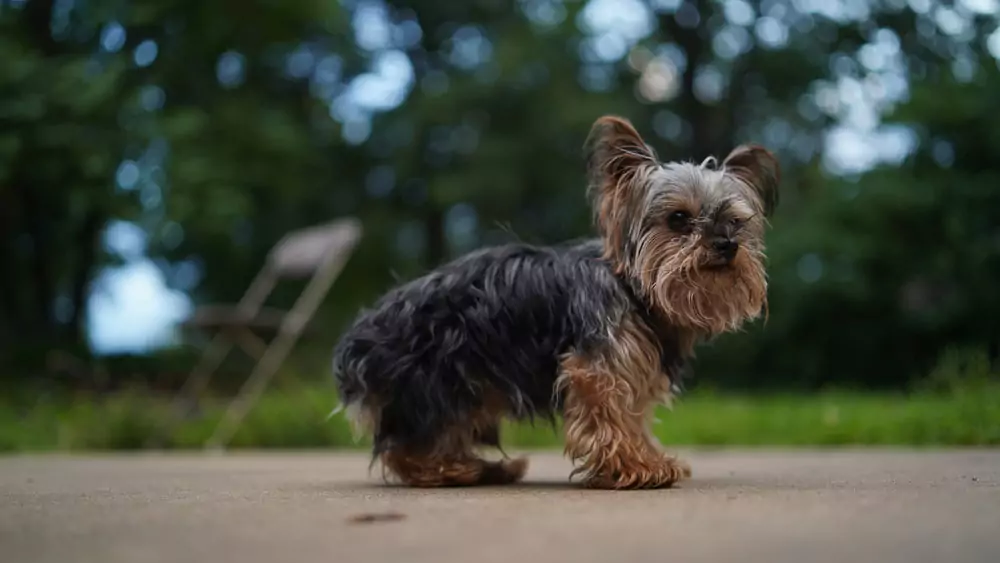
This detailed guide covers every major aspect of teacup and Yorkie ownership. You will learn how they behave, what they cost, common health issues, training methods, grooming requirements, and how to decide whether this tiny companion fits your lifestyle.
What Is a Teacup Yorkie?
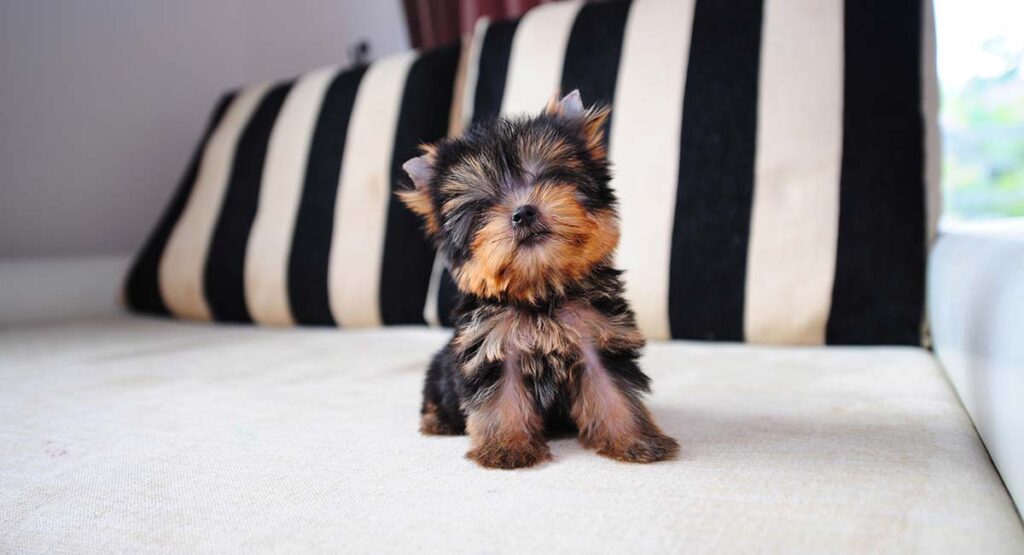
A teacup Yorkie is a miniature version of the Yorkshire Terrier. Traditional Yorkshire Terriers typically weigh between 4 and 7 pounds, while teacup varieties often weigh under 4 pounds when fully grown. These dogs are intentionally bred to remain extremely small throughout adulthood.
The original Yorkshire Terrier was developed in England during the 19th century. Workers in textile mills used these terriers to catch rats and small pests. Over time, breeders focused on appearance and companionship traits, turning the breed into a luxury lap dog known for elegance and confidence.
Teacup Yorkies inherited the same personality traits as standard Yorkies. They are intelligent, energetic, curious, and surprisingly brave for their size. Many owners describe them as “big dogs in tiny bodies” because of their bold attitude and alert behavior.
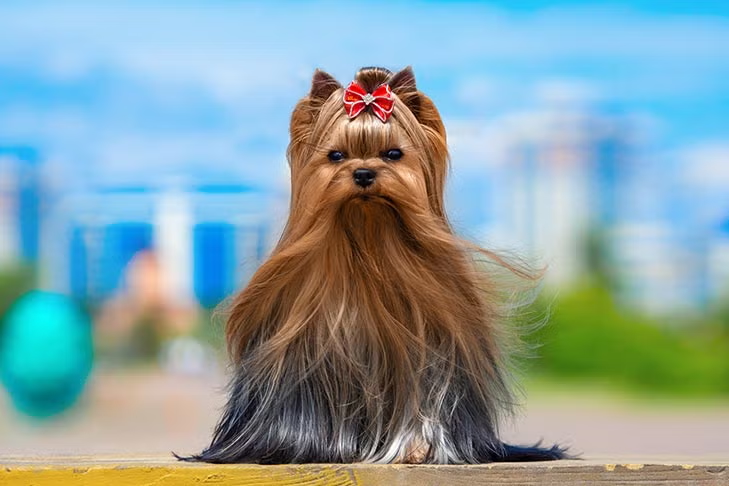
What separates them from standard Yorkies is mainly their size and fragility. Their bones are smaller, their metabolism is faster, and they are more vulnerable to injuries. Because of this, they need gentle handling and close supervision around children or larger pets.
Quick Facts About Teacup Yorkies
| Feature | Details |
|---|---|
| Breed Type | Yorkshire Terrier Variant |
| Average Weight | 2–4 pounds |
| Height | 5–7 inches |
| Lifespan | 7–12 years |
| Coat Type | Long, silky, fine |
| Temperament | Affectionate, alert, playful |
| Exercise Needs | Moderate |
| Best For | Apartments, singles, seniors |
| Grooming Level | High |
| Training Difficulty | Moderate |
Personality and Temperament
The teacup and Yorkie personality is one reason the breed remains so popular worldwide. These dogs are deeply affectionate with their owners and usually form strong emotional bonds with one or two people in the household.
Yorkies are naturally alert and observant. Even tiny teacup varieties often behave like watchdogs. They bark when strangers approach, react quickly to unfamiliar sounds, and stay highly aware of their surroundings. While this can make them entertaining companions, it also means training is necessary to prevent excessive barking.
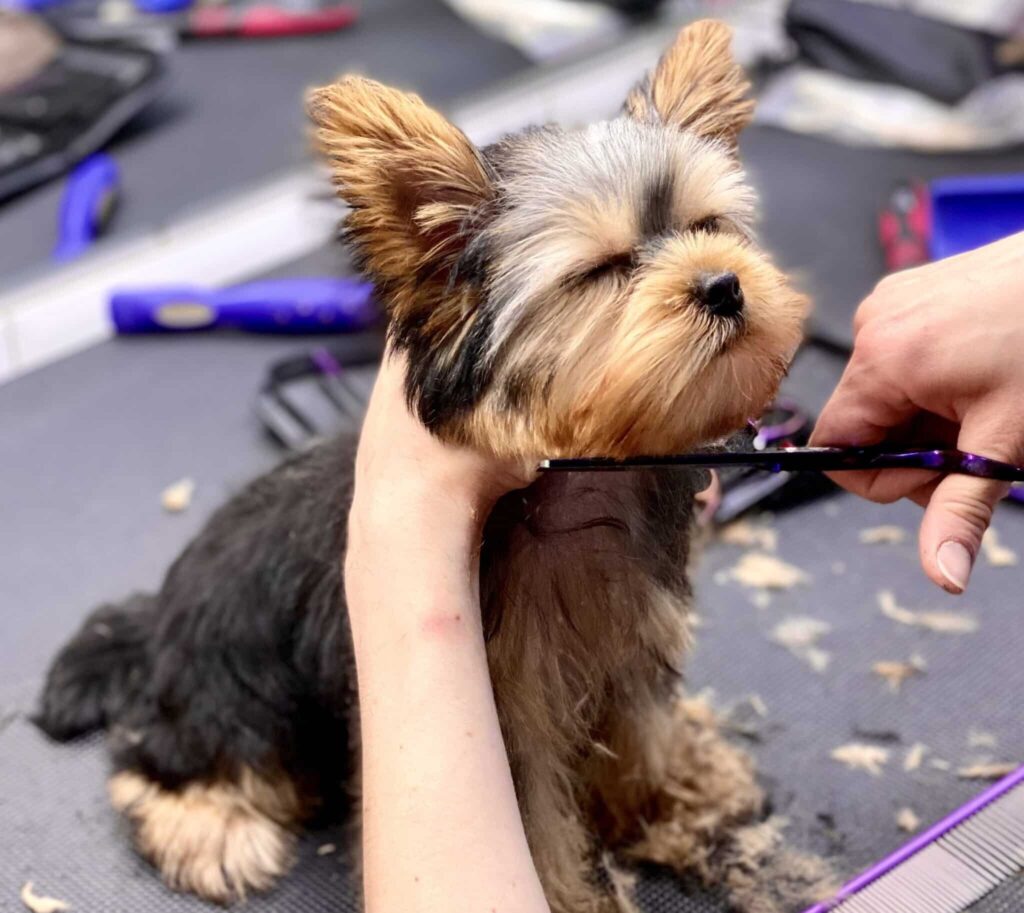
Their intelligence level is impressive. Teacup Yorkies learn commands quickly when training sessions stay short and rewarding. Positive reinforcement works best because harsh corrections can create anxiety in sensitive toy breeds.
Many owners are surprised by how energetic these little dogs can be. They enjoy interactive toys, indoor games, and short walks. Although they love cuddling, they still require daily stimulation to stay mentally healthy.
Socialization is another important factor. Without proper exposure during puppyhood, teacup Yorkies may become overly protective or nervous around strangers. Early introductions to different people, sounds, and environments help build confidence.
Common Personality Traits
- Loyal and attached to owners
- Highly alert and vocal
- Energetic despite tiny size
- Intelligent and curious
- Sometimes stubborn during training
- Protective around strangers
- Loving lap companions
Size, Appearance, and Coat Characteristics
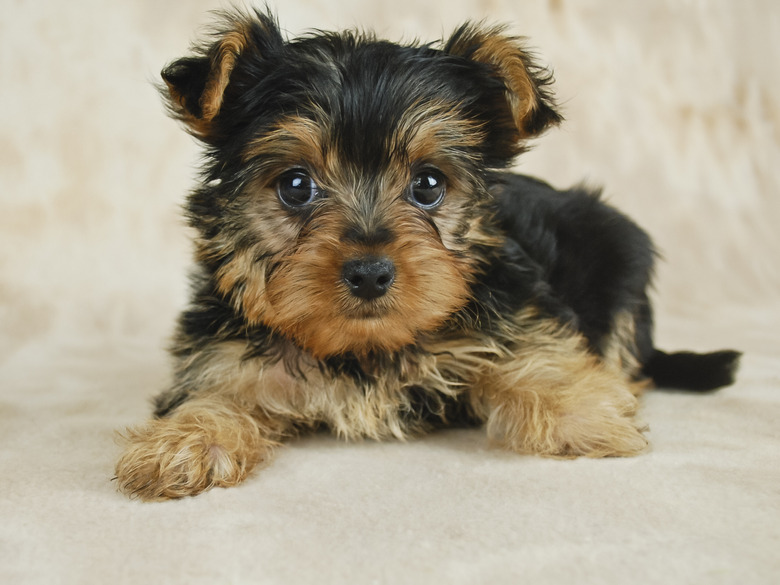
The most recognizable feature of a teacup Yorkie is its tiny frame. Adult dogs can sometimes fit comfortably in one hand, especially females with lighter body structures. Their compact body, upright posture, and elegant coat create a refined appearance that many people find irresistible.
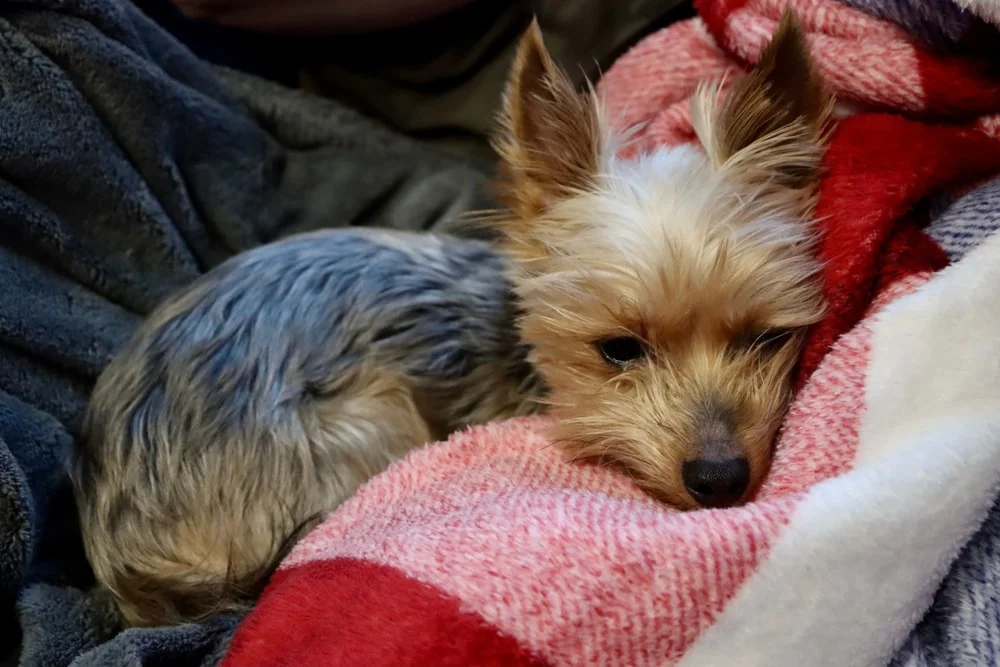
The coat is one of the breed’s signature traits. Teacup Yorkies usually have long, silky hair that grows continuously, similar to human hair. Coat colors often include combinations of blue, black, tan, and gold.
Because the hair keeps growing, grooming becomes a regular responsibility. Some owners prefer maintaining a long show-style coat, while others choose shorter puppy cuts for easier maintenance.
Facial features are another defining trait. They typically have:
- Dark round eyes
- Small black noses
- Compact ears
- Short muzzles
- Fine-boned legs
Their lightweight structure contributes to their elegance but also increases injury risks. Jumping from furniture or rough play can lead to fractures or joint damage.
Health Problems Associated With Teacup Yorkies
One of the biggest concerns surrounding teacup and Yorkie ownership is health stability. Extremely small breeding standards often increase the likelihood of medical complications.
Not every teacup Yorkie develops severe health problems, but owners should understand the risks before purchasing one.
Common Health Issues
Hypoglycemia
Low blood sugar is extremely common in tiny puppies. Symptoms include weakness, shaking, confusion, and lethargy. Young teacup Yorkies may require frequent meals throughout the day to maintain stable energy levels.
Tracheal Collapse
This condition affects the windpipe and can cause coughing, breathing difficulty, and wheezing. Harnesses are safer than collars because neck pressure can worsen symptoms.
Dental Disease
Small mouths often lead to overcrowded teeth, plaque buildup, and gum infections. Regular brushing and professional cleanings are important.

Luxating Patella
This knee condition occurs when the kneecap slips out of place. Mild cases may only cause occasional limping, while severe cases may require surgery.
Liver Shunts
Some teacup Yorkies are born with abnormal blood vessels affecting liver function. Symptoms include poor growth, vomiting, and neurological problems.
Fragile Bones
Because of their tiny structure, falls and accidental injuries can become serious emergencies.
Signs Your Yorkie Needs Veterinary Attention
- Loss of appetite
- Excessive coughing
- Difficulty walking
- Sudden lethargy
- Vomiting or diarrhea
- Trouble breathing
- Pale gums
Routine veterinary visits are critical for maintaining long-term health.
Feeding and Nutrition Requirements
Nutrition plays a huge role in the overall wellness of teacup Yorkies. Their tiny stomachs and fast metabolism mean they cannot safely follow the same feeding schedule as larger dogs.
Puppies often need meals every 3–4 hours. Adult teacup Yorkies usually eat small portions multiple times daily.
Best Dietary Practices
- Choose high-protein dog food formulated for toy breeds
- Avoid fillers and artificial additives
- Monitor calorie intake carefully
- Keep fresh water available at all times
- Provide healthy treats in moderation
Protein supports muscle maintenance, while healthy fats contribute to coat quality and brain function. Since hypoglycemia is a concern, skipping meals can become dangerous for small puppies.
Owners should also avoid foods toxic to dogs, including chocolate, grapes, onions, garlic, caffeine, and xylitol.
Grooming Needs and Coat Maintenance
Teacup and Yorkie grooming routines require consistency. Their silky coat tangles easily and can mat quickly if neglected.
Many owners underestimate the amount of maintenance involved. Daily brushing is often necessary for longer coats, especially around the ears, chest, and legs.
Essential Grooming Tasks
| Grooming Task | Frequency |
|---|---|
| Brushing | Daily |
| Bathing | Every 2–4 weeks |
| Nail Trimming | Every 3–4 weeks |
| Ear Cleaning | Weekly |
| Teeth Brushing | Daily |
| Hair Trimming | Every 6–8 weeks |
Professional grooming appointments help maintain coat hygiene and comfort. Shorter cuts are easier for busy owners because they reduce tangles and grooming time.
Eye cleaning is also important since tear stains can appear around the face in lighter-colored Yorkies.
Training a Teacup Yorkie
Training should begin as early as possible. Small dogs sometimes develop behavioral problems because owners excuse unwanted habits due to their size.
Teacup Yorkies respond best to positive reinforcement methods involving praise, treats, and consistency.
Important Training Areas
Potty Training
Housebreaking can take longer with toy breeds because of their small bladder size. Puppy pads and consistent routines often help during the process.
Barking Control
Yorkies naturally alert owners to movement and sounds. Teaching quiet commands early reduces excessive barking later.
Crate Training
A properly sized crate creates security and helps with routines. The crate should never feel like punishment.
Socialization
Introduce puppies to people, sounds, and environments gradually. Positive early experiences reduce fear-based behavior later.
Short training sessions work best because tiny puppies tire quickly.
Exercise and Mental Stimulation
Although they are small, teacup Yorkies still need regular activity. Physical exercise helps prevent obesity, while mental stimulation reduces boredom and anxiety.
Daily walks, puzzle toys, indoor games, and obedience exercises all contribute to a healthier dog.
Safe Exercise Ideas
- Short neighborhood walks
- Indoor fetch sessions
- Puzzle feeders
- Basic obedience training
- Gentle social play
Extreme exercise should be avoided because excessive strain can damage joints and bones.
Are Teacup Yorkies Good Family Dogs?
Teacup and Yorkie dogs can become wonderful companions in the right environment, but they are not ideal for every household.
Families with very young children should be cautious. Small children may accidentally injure these delicate dogs during play. Homes with larger pets also require supervision.
They often do best with:
- Singles
- Couples
- Seniors
- Apartment dwellers
- Calm households
Their small size makes them highly adaptable to apartment living, provided they receive enough attention and mental stimulation.
How Much Does a Teacup Yorkie Cost?
Teacup Yorkies are expensive compared to many other small breeds. Pricing depends on bloodline quality, breeder reputation, coat color, and size.
Typical Ownership Costs
| Expense | Estimated Cost |
|---|---|
| Puppy Purchase | $1,500–$5,000 |
| Vaccinations | $100–$300 |
| Grooming | $40–$100 monthly |
| Food | $20–$50 monthly |
| Vet Care | $300–$1,000 yearly |
| Accessories | $100–$300 |
Cheap puppies from irresponsible breeders may come with hidden medical problems. Ethical breeders prioritize health testing, nutrition, and proper socialization.
Choosing a Responsible Breeder
Finding a responsible breeder matters more than finding the smallest puppy available. Ethical breeders focus on healthy bloodlines instead of extreme miniaturization.
What to Look For
- Health testing documentation
- Clean living conditions
- Vaccination records
- Honest communication
- Proper puppy socialization
- Transparent breeding practices
Avoid breeders who advertise “micro,” “tiny toy,” or “ultra teacup” puppies at unusually high prices. Extremely undersized dogs often face severe medical risks.
Teacup Yorkie vs Standard Yorkie
Many potential owners wonder whether they should choose a standard Yorkshire Terrier or a teacup version.
Key Differences
| Trait | Teacup Yorkie | Standard Yorkie |
|---|---|---|
| Weight | Under 4 lbs | 4–7 lbs |
| Fragility | Very High | Moderate |
| Exercise Needs | Lower | Moderate |
| Health Risks | Higher | Lower |
| Lifespan | Shorter on Average | Longer |
| Care Intensity | High | Moderate |
Standard Yorkies often provide a more stable long-term ownership experience because they are generally healthier and physically stronger.
Living With a Teacup Yorkie
Daily life with a teacup Yorkie involves close interaction and constant awareness. These dogs prefer staying near their owners and dislike being left alone for long periods.
Because they bond strongly with humans, separation anxiety may develop if routines suddenly change.
Helpful Ownership Tips
- Keep floors free from hazards
- Use pet stairs near furniture
- Avoid rough handling
- Maintain feeding schedules
- Schedule regular vet visits
- Use warm clothing in cold weather
Their tiny body mass makes them sensitive to temperature changes, especially during winter.
Frequently Asked Questions
Are teacup Yorkies purebred?
Yes, most teacup Yorkies are purebred Yorkshire Terriers bred to remain unusually small. However, they are not recognized as a separate breed category.
How long do teacup Yorkies live?
Most teacup Yorkies live between 7 and 12 years, depending on genetics, diet, healthcare, and breeding quality.
Do teacup Yorkies bark a lot?
Yes, Yorkies are naturally alert and vocal. Proper training and socialization help reduce excessive barking.
Are teacup Yorkies hard to train?
They are intelligent but sometimes stubborn. Consistent positive reinforcement training usually produces good results.
Can teacup Yorkies stay alone at home?
They can tolerate short periods alone, but extended isolation may cause anxiety and stress.
Do teacup Yorkies shed?
Very little. Their hair resembles human hair more than traditional dog fur, making them a popular choice for people sensitive to pet hair.
Are teacup Yorkies safe around children?
They are better suited for older children who understand gentle handling. Rough play can seriously injure these tiny dogs.

