
Trick Flow heads have become one of the most respected upgrades in the performance engine market. From street builds to drag racing combinations, these cylinder heads are known for improving airflow, horsepower, throttle response, and overall engine efficiency. Enthusiasts building Ford small blocks, LS platforms, big block Mopars, or classic Chevrolet engines often choose Trick Flow because the company focuses heavily on combustion efficiency and port design rather than relying only on larger runner sizes.
The reason Trick Flow heads continue to dominate conversations in performance forums and engine shops comes down to real-world results. Many aftermarket cylinder heads advertise high airflow numbers, but Trick Flow designs often deliver strong low and mid-range torque while still supporting serious top-end horsepower. That balance matters for street-driven cars, weekend track builds, and aggressive naturally aspirated combinations.
Performance builders also appreciate the engineering behind the Twisted Wedge and GenX series. These heads were developed to solve common airflow restrictions found in factory castings. By adjusting valve angles, improving combustion chamber shape, and optimizing intake and exhaust flow, Trick Flow created heads capable of supporting both drivability and aggressive power goals. Modern aluminum construction also helps reduce weight while improving heat dissipation compared to factory iron heads.
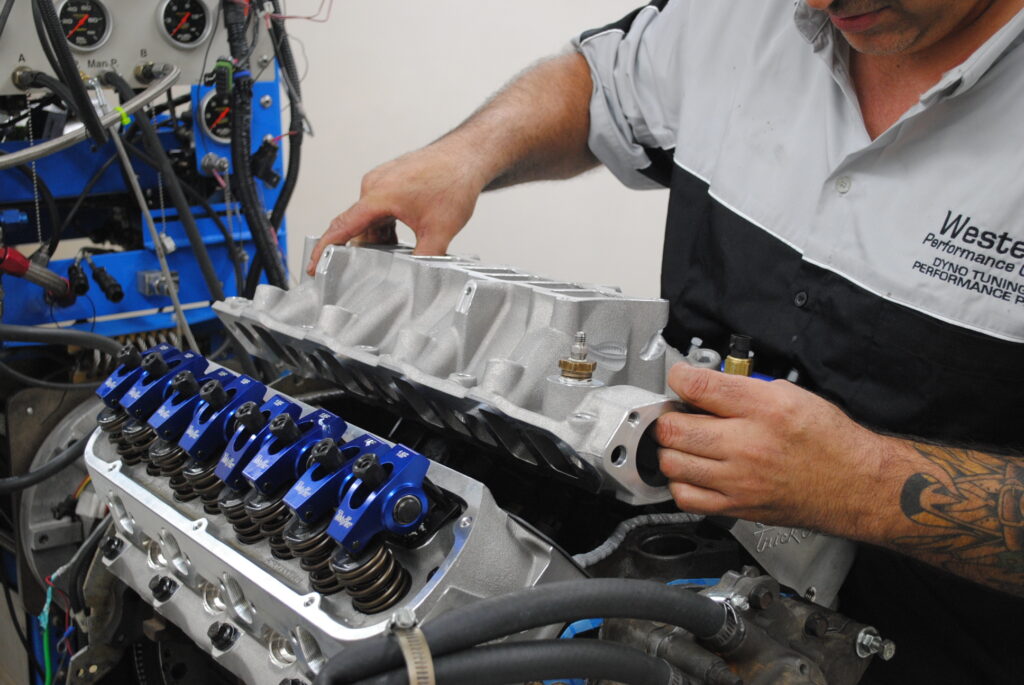
This guide explains how Trick Flow heads work, their advantages, the most popular models, horsepower expectations, installation considerations, tuning strategies, and how to choose the correct setup for your engine combination.
What Are Trick Flow Heads?
Trick Flow heads are aftermarket performance cylinder heads designed to replace restrictive factory cylinder heads. They are engineered for improved airflow, combustion efficiency, and power production across various engine platforms including Ford Windsor, Modular Ford, Chevrolet SBC, LS engines, and Mopar big blocks.
A cylinder head controls how air and fuel enter the combustion chamber and how exhaust gases leave the engine. The better the airflow characteristics, the more efficiently the engine can produce power. Trick Flow improves this process through advanced port shaping, optimized valve placement, CNC-machined chambers, and lightweight aluminum castings.
One of the most recognized innovations from Trick Flow is the Twisted Wedge design. Instead of keeping traditional valve positions, the valves are repositioned to improve airflow and piston-to-valve clearance. This unique layout allows larger valves and better intake flow without sacrificing reliability. Performance builders often report stronger power curves and improved torque production compared to conventional aftermarket heads.
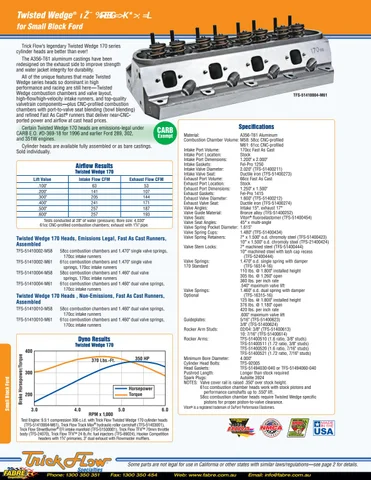
Another major advantage is compatibility. Many Trick Flow heads retain factory accessory locations, intake compatibility, and stock-style valvetrain geometry. This reduces installation complexity for enthusiasts upgrading older muscle cars or street builds.
Key benefits include:
- Improved airflow and combustion efficiency
- Increased horsepower and torque
- Better throttle response
- Reduced engine weight with aluminum construction
- Improved cooling performance
- Enhanced camshaft compatibility
- Better high-RPM stability
For many performance enthusiasts, upgrading cylinder heads delivers one of the largest horsepower gains possible without increasing engine displacement.
Why Trick Flow Heads Are Popular in Performance Builds
The popularity of Trick Flow heads comes from proven dyno numbers and consistent track performance. Unlike some aftermarket heads that focus only on peak horsepower, Trick Flow designs prioritize usable airflow throughout the RPM range. That creates a stronger powerband for both street and race applications.
A common mistake in engine building is choosing oversized intake runners. Bigger ports do not automatically create more power. Large runners can reduce air velocity, hurting low-end torque and drivability. Trick Flow heads are known for maintaining strong air velocity while still supporting excellent airflow numbers. This design philosophy is why many builders compare smaller Trick Flow ports to larger competitor heads. Some engine builders even consider certain 170cc Trick Flow heads comparable to larger 185cc alternatives because of efficient airflow characteristics.
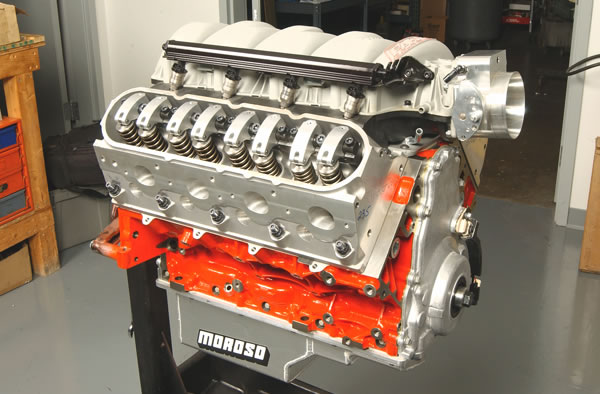
Another reason these heads stand out is combustion chamber efficiency. Better chamber design leads to cleaner burns, improved fuel atomization, and stronger power production. This also helps engines tolerate compression and ignition timing more effectively.
Performance enthusiasts also trust Trick Flow because of their experience across multiple engine platforms. Whether someone is building:
- A Fox Body Mustang
- A classic Camaro
- An LS swap project
- A drag racing Mopar
- A street-driven big block Ford
there is usually a Trick Flow option designed specifically for that setup.
Many users report gains ranging from 40 to over 100 horsepower depending on supporting modifications such as intake manifolds, camshafts, compression ratio, and exhaust systems.
Most Popular Trick Flow Head Series
Trick Flow Twisted Wedge Heads
The Twisted Wedge series is among the most famous aftermarket cylinder head designs in the Ford performance community. These heads reposition the valves for improved airflow and piston clearance. This allows aggressive camshaft profiles while maintaining good street manners.
Popular applications include:
- Ford 302
- Ford 351 Windsor
- Fox Body Mustang
- SN95 Mustang
- Street and strip small block builds
Twisted Wedge heads are especially respected for producing strong torque numbers while supporting high-RPM horsepower.
Benefits of Twisted Wedge Heads
- Excellent airflow efficiency
- Improved valve angle geometry
- Strong low and mid-range torque
- Better piston-to-valve clearance
- Proven street and track reliability
These heads are frequently recommended for naturally aspirated builds aiming for responsive street performance.
Trick Flow GenX Heads
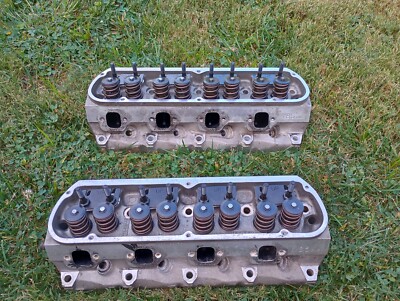
The GenX line targets GM LS platforms and modern high-performance applications. These heads feature CNC-ported runners, improved valvetrain stability, and strengthened aluminum castings designed for serious horsepower combinations.
The GenX 260 series gained popularity for supporting LS7 performance builds with impressive airflow numbers and compatibility with stock-style components.
Features of GenX Heads
- CNC competition porting
- High-flow intake runners
- Strong aluminum casting design
- Compatibility with LS gasket combinations
- Improved valvetrain stability
LS builders often choose these heads for turbocharged, supercharged, and naturally aspirated combinations exceeding 600 horsepower.
Trick Flow DHC 175 Heads
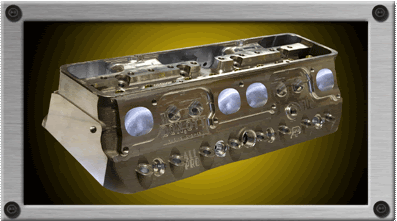
The DHC 175 heads combine vintage appearance with modern airflow technology. Designed for classic small block Chevrolet applications, these heads resemble the iconic “double hump” fuelie heads while delivering modern performance characteristics.
These heads are popular among restorers and muscle car owners who want factory-style looks without sacrificing airflow or drivability.
Why Enthusiasts Choose DHC 175 Heads
- Vintage muscle car appearance
- Modern combustion chamber efficiency
- Lightweight aluminum construction
- Strong street torque
- Better airflow than factory heads
For classic Chevrolet builders, this blend of appearance and performance is highly appealing.
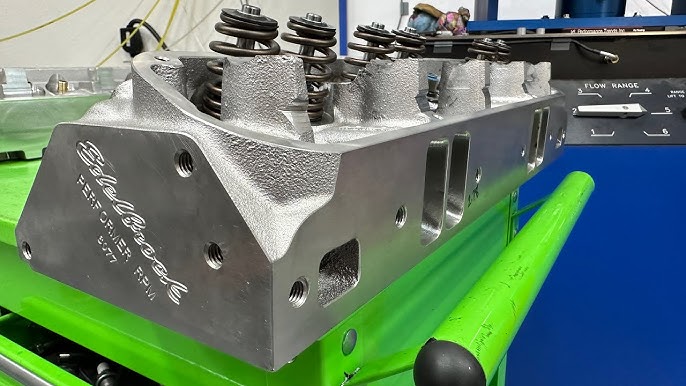
Trick Flow Heads vs Stock Cylinder Heads
| Feature | Trick Flow Heads | Factory Heads |
|---|---|---|
| Airflow | High-flow optimized ports | Restrictive airflow |
| Material | Lightweight aluminum | Often cast iron |
| Combustion Efficiency | CNC optimized chambers | Basic factory design |
| Horsepower Potential | Much higher | Limited |
| Heat Dissipation | Excellent | Moderate |
| Valve Geometry | Performance oriented | Factory limitations |
| Weight | Lighter | Heavier |
| RPM Capability | High RPM stable | Limited at higher RPM |
Factory cylinder heads are designed for emissions, fuel economy, and production costs. Trick Flow heads prioritize airflow and performance.
How Much Horsepower Can Trick Flow Heads Add?
Horsepower gains vary based on engine size, compression ratio, camshaft selection, intake setup, and tuning quality. However, most builds see noticeable increases immediately after installation.
Typical gains include:
- Mild street builds: 40–70 HP
- Cammed naturally aspirated builds: 70–120 HP
- Aggressive race combinations: 150+ HP potential
Engines with restrictive factory heads often see the largest improvements because airflow limitations are removed.
A properly matched setup matters more than simply installing larger heads. Camshaft selection, intake runner size, compression ratio, and fuel delivery all influence final horsepower numbers.
For example:
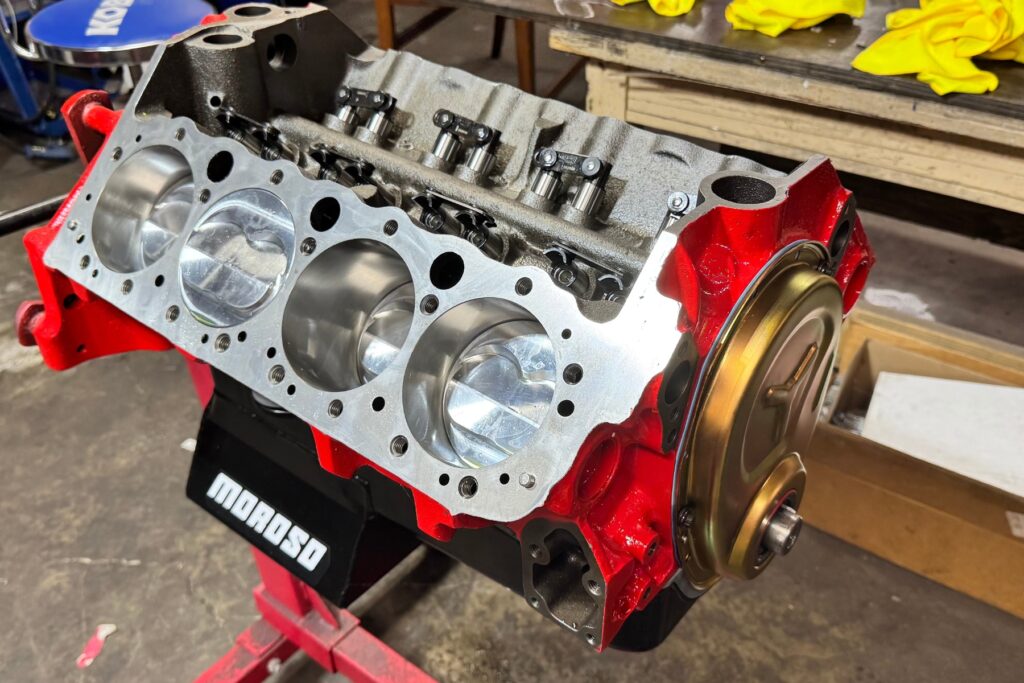
- Smaller runners usually improve torque and throttle response
- Larger runners support higher RPM horsepower
- CNC porting increases consistency and airflow efficiency
- Better combustion chamber design improves burn quality
Experienced builders usually focus on total engine balance rather than chasing peak airflow numbers alone.
Choosing the Right Trick Flow Heads
Selecting the correct cylinder heads depends on your engine goals and intended vehicle use.
Street Performance Builds
Street-driven cars benefit from moderate runner sizes and efficient airflow. These combinations prioritize:
- Torque
- Throttle response
- Drivability
- Fuel efficiency
- Mid-range power
For small block Ford builds, 170cc or 185cc heads are common choices.
Drag Racing Builds
Race-oriented combinations often use larger runners and aggressive camshafts to maximize high-RPM horsepower.
These setups usually require:
- Higher compression
- Larger intake manifolds
- Upgraded fuel systems
- Aggressive valvetrain components
GenX heads and larger Twisted Wedge variants are popular for race applications.
Boosted Applications
Turbocharged and supercharged engines require strong castings and stable valvetrain geometry.
Important considerations include:
- Combustion chamber size
- Valve spring pressure
- Heat management
- Boost compatibility
- Exhaust flow capability
Many Trick Flow heads are specifically designed to handle forced induction combinations.
Installation Considerations
Installing aftermarket cylinder heads involves more than simply bolting them on. Supporting components must match the airflow and valvetrain characteristics of the new heads.
Common installation upgrades include:
- Pushrods
- Roller rockers
- Valve springs
- Head gaskets
- Intake manifolds
- Camshafts
- Fuel injectors
- ECU tuning
Some Trick Flow heads also require checking piston-to-valve clearance, especially with aggressive camshaft profiles. Builders frequently use clay testing during mock assembly to verify safe clearance.
Proper tuning is critical after installation. Increased airflow changes fuel and ignition requirements. Dyno tuning helps maximize horsepower while maintaining reliability.
Common Mistakes When Buying Trick Flow Heads
Many enthusiasts choose cylinder heads based only on advertised airflow numbers. That approach often leads to poor drivability and disappointing results.
Mistake 1: Choosing Oversized Ports
Large ports can reduce air velocity and hurt low-end torque. Street cars usually perform better with moderate runner sizes.
Mistake 2: Ignoring Supporting Mods
Cylinder heads alone cannot maximize horsepower. Supporting upgrades are essential for balanced airflow and fuel delivery.
Mistake 3: Poor Camshaft Matching
Camshaft selection must complement airflow characteristics. An oversized cam can hurt drivability and vacuum performance.
Mistake 4: Skipping Professional Tuning
Even the best cylinder heads require proper ECU calibration to achieve safe air-fuel ratios and ignition timing.
Mistake 5: Overlooking Compression Ratio
Combustion chamber size directly affects compression ratio and power output.
Avoiding these mistakes saves money and improves overall engine performance.
Real-World Performance Results
Many engine builders and racers consistently report impressive results from Trick Flow heads across multiple engine platforms.
Examples include:
- Fox Body Mustangs reaching 400+ naturally aspirated horsepower
- LS street builds exceeding 600 horsepower
- Big block Mopars producing strong torque for street driving
- Classic small block Chevrolets improving throttle response dramatically
Performance forums often highlight the balance between airflow and drivability. Enthusiasts appreciate that these heads perform well in real street conditions rather than only at high RPM.
This reputation has helped Trick Flow maintain strong credibility among experienced engine builders.
Best Supporting Mods for Trick Flow Heads
Cylinder heads work best as part of a complete airflow package.
Recommended upgrades include:
Intake Manifold
A performance intake manifold helps match airflow characteristics between the throttle body and cylinder heads.
Camshaft
Proper camshaft duration and lift maximize airflow potential.
Long Tube Headers
Improved exhaust scavenging increases horsepower and torque.
Fuel System
Higher airflow requires additional fuel delivery capacity.
ECU Tuning
Custom tuning optimizes ignition timing, fueling, and drivability.
Upgraded Valvetrain
Performance valve springs and rocker arms improve reliability at high RPM.
A balanced setup produces better results than focusing on one component alone.
Are Trick Flow Heads Worth It?
For most performance enthusiasts, Trick Flow heads are absolutely worth the investment. Cylinder heads directly influence airflow, combustion quality, and horsepower potential. Upgrading restrictive factory castings often transforms the behavior of an engine.
Benefits include:
- Strong horsepower gains
- Improved torque delivery
- Better throttle response
- Reduced engine weight
- Increased RPM capability
- Improved combustion efficiency
Although these heads are not the cheapest option available, their performance reputation and engineering quality make them a preferred choice for serious engine builds.
Builders focused on long-term performance usually consider quality cylinder heads one of the most valuable upgrades possible.
Frequently Asked Questions
What makes Trick Flow heads different from other aftermarket heads?
Trick Flow heads focus heavily on airflow velocity, combustion efficiency, and valve geometry. Their Twisted Wedge technology improves airflow while maintaining drivability and piston clearance.
How much horsepower do Trick Flow heads add?
Most builds gain between 40 and 120 horsepower depending on supporting modifications, tuning, and engine combination.
Are Trick Flow heads good for street cars?
Yes. Many Trick Flow heads are designed specifically for strong low and mid-range torque, making them excellent for street-driven applications.
Do Trick Flow heads require tuning?
Yes. Proper ECU tuning is highly recommended after installation to optimize air-fuel ratios, ignition timing, and drivability.
Can Trick Flow heads work with stock pistons?
Some combinations can use stock pistons, but piston-to-valve clearance should always be checked during assembly.
Are aluminum cylinder heads better than iron heads?
Aluminum heads are lighter and dissipate heat more effectively. They are commonly preferred for modern performance builds.
Which Trick Flow heads are best for Ford 302 engines?
Twisted Wedge 170cc and 185cc heads are popular choices for Ford 302 street and strip builds.

