
Hair care is no longer limited to shampoo alone. Men today deal with dryness, hair thinning, rough texture, dandruff, frizz, and scalp irritation just as much as women do. A quality conditioner helps solve many of these issues while improving the overall appearance and strength of hair. Yet many men still skip this step or choose products without understanding what their hair actually needs.
The best conditioner for men is not always the most expensive product on the shelf. It is the one designed for your hair texture, scalp condition, styling routine, and daily lifestyle. A man with oily hair needs a completely different formula than someone with curly, dry, or color-treated hair. Choosing the wrong conditioner can make hair greasy, flat, or even more damaged over time.
This guide explains how men can choose the right conditioner based on real hair concerns, grooming habits, and ingredient quality. It also covers the top conditioner types, expert-backed tips, ingredient analysis, and common mistakes men make while conditioning their hair. By the end, you will know exactly what works for your hair and how to build a better grooming routine that delivers visible results.
Why Conditioner Matters for Men’s Hair
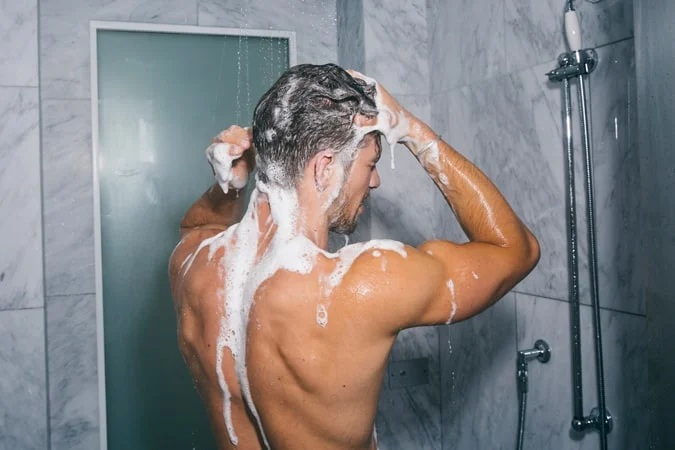
Many men believe shampoo is enough for healthy hair. The truth is shampoo cleans the scalp by removing dirt, sweat, oil, and product buildup, but it can also strip away natural moisture. Conditioner restores hydration, smooths the hair cuticle, and protects strands from damage caused by heat styling, pollution, sun exposure, and hard water.
Conditioner plays a major role in maintaining scalp balance and improving hair texture. Men with short hairstyles may not immediately notice dryness, but rough texture, itchiness, and brittle strands often indicate a lack of moisture. Men with medium or long hairstyles usually experience tangling, split ends, and frizz when they avoid conditioning regularly.
Hair experts often compare conditioner to moisturizer for the skin. Just as facial skin becomes dry and irritated without hydration, hair also weakens when moisture levels drop. A proper conditioner improves elasticity, shine, softness, and manageability. It can also reduce hair breakage caused by combing or aggressive towel drying.
Modern men’s conditioners now target specific issues such as thinning hair, dandruff control, beard hydration, scalp sensitivity, and color protection. This makes conditioners an essential part of a serious grooming routine rather than an optional product.
How to Choose the Best Conditioner for Men
Choosing the right conditioner starts with identifying your hair type and scalp condition. Most men buy products based on packaging or fragrance, but ingredients and formulation matter far more.
For Dry Hair
Men with dry hair should look for hydrating ingredients such as:
- Argan oil
- Shea butter
- Coconut oil
- Aloe vera
- Glycerin
These ingredients help restore moisture and reduce brittleness. Cream-based conditioners usually work better for dry or coarse hair textures.
For Oily Hair
Heavy conditioners can make oily hair appear greasy within hours. Lightweight formulas containing tea tree oil, peppermint, or green tea are better suited for oily scalps. These ingredients provide hydration without clogging follicles.
For Curly Hair
Curly hair naturally loses moisture faster because scalp oils struggle to travel down twisted strands. Men with curls should choose deeply moisturizing conditioners that improve curl definition and reduce frizz.
For Fine or Thin Hair
Volumizing conditioners with proteins like biotin, keratin, and rice protein help strengthen fine strands without weighing them down. Avoid thick silicone-heavy formulas if your hair lacks volume.
For Dandruff-Prone Scalps
Men dealing with flakes or scalp irritation should choose conditioners containing zinc pyrithione, tea tree oil, salicylic acid, or charcoal. These ingredients help calm inflammation while maintaining hydration.
The biggest mistake men make is using one product for every hair problem. Hair changes based on age, climate, diet, stress levels, and styling habits. A conditioner should evolve with those changes.
Best Conditioner Ingredients Men Should Look For
Understanding ingredients helps separate effective products from heavily marketed formulas. Many conditioners appear premium but contain fillers that offer temporary softness without improving long-term hair health.
| Ingredient | Benefits for Men’s Hair |
|---|---|
| Argan Oil | Deep hydration and shine |
| Keratin | Strengthens weak strands |
| Biotin | Supports thicker-looking hair |
| Aloe Vera | Soothes dry scalp |
| Tea Tree Oil | Helps reduce dandruff |
| Coconut Oil | Prevents moisture loss |
| Shea Butter | Softens coarse hair |
| Peppermint Oil | Refreshes scalp |
| Rice Protein | Adds volume |
| Caffeine | Supports scalp stimulation |
Men should also avoid excessive sulfates, parabens, and drying alcohols in conditioning products. These ingredients may irritate sensitive scalps and contribute to dryness over time.
Silicones are another debated ingredient category. While they create temporary smoothness, heavy silicone buildup can leave hair dull and lifeless if not properly washed out.
Best Types of Conditioner for Men
Not every conditioner works the same way. Different formulas are designed for different grooming needs and lifestyles.
Rinse-Out Conditioner
This is the most common type. It is applied after shampooing and rinsed out after a few minutes. It suits most men and works well for daily hydration.
Leave-In Conditioner
Leave-in conditioners stay in the hair after washing. They provide longer-lasting moisture and heat protection. Men with curly, dry, or textured hair benefit the most from this option.
Deep Conditioner
Deep conditioning treatments contain concentrated nourishing ingredients. These products repair damage from heat styling, bleaching, chlorine exposure, or excessive sun exposure.
Co-Wash Conditioner
Co-washing uses cleansing conditioners instead of shampoo. Men with extremely dry or curly hair often use this method to maintain moisture while gently cleansing the scalp.
Scalp Conditioner
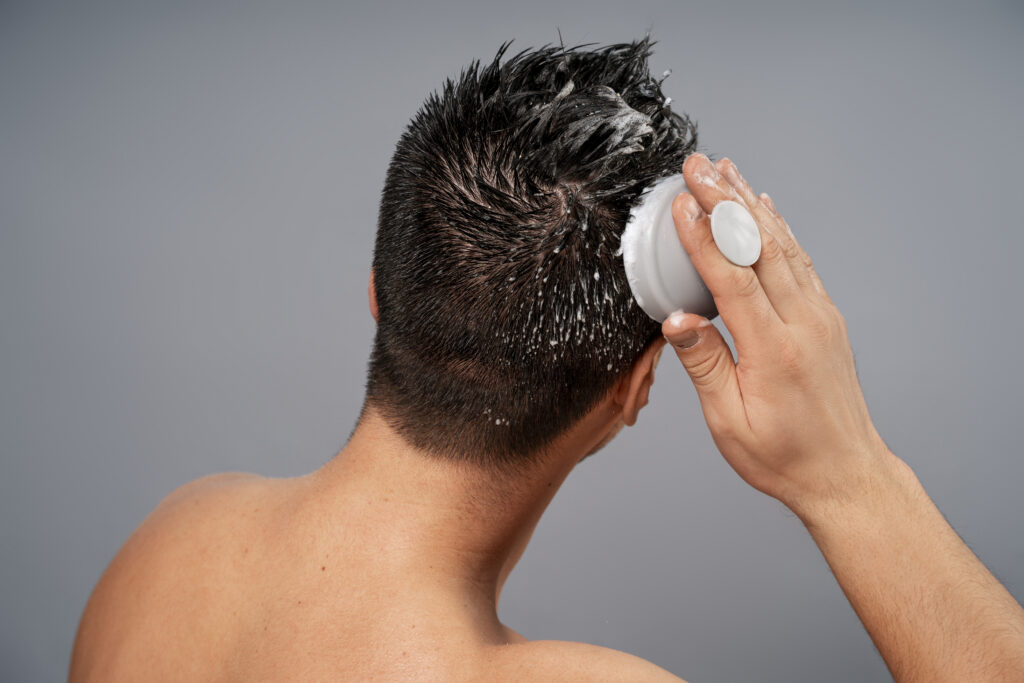
These products focus more on scalp health than hair softness. They target itchiness, dandruff, excess oil, and irritation while maintaining hydration balance.
Each conditioner type serves a specific purpose. Men who style their hair frequently often combine multiple conditioner types throughout the week.
Top Hair Concerns Men Face and How Conditioner Helps
Hair problems among men are more common than many realize. Stress, hormonal changes, poor diet, pollution, and excessive styling contribute to declining hair quality.
Dry and Brittle Hair
Dryness causes rough texture and breakage. Moisturizing conditioners help restore softness and flexibility while protecting strands from snapping.
Hair Thinning
Conditioners containing biotin, caffeine, niacinamide, and peptides may support stronger-looking hair by reducing breakage and improving scalp condition.
Frizz and Rough Texture
Humidity and dehydration often create frizz. Smoothing conditioners flatten the hair cuticle and improve manageability.
Dandruff and Itchy Scalp
Scalp-focused conditioners calm irritation while reducing flakes caused by dryness or fungal imbalance.
Damage from Styling Products
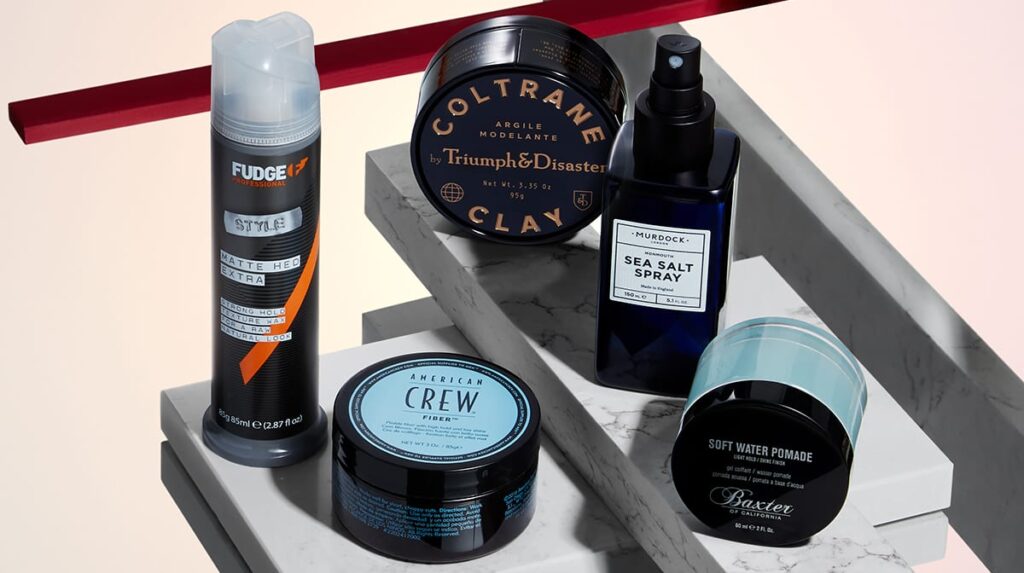
Hair wax, gels, pomades, and sprays can dry out hair over time. Conditioner restores hydration lost through frequent styling.
Consistent conditioning improves not only appearance but also overall scalp comfort and hair resilience.
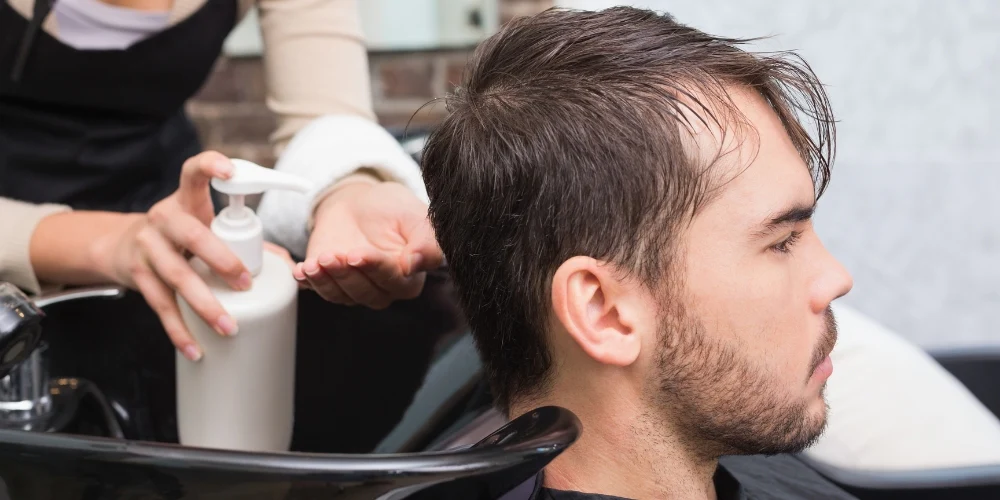
How Men Should Use Conditioner Correctly
Many men apply conditioner incorrectly, which limits its effectiveness. Proper technique matters more than most people think.
Step-by-Step Method
- Wash hair thoroughly with shampoo
- Squeeze excess water from hair
- Apply conditioner mainly to mid-lengths and ends
- Avoid overloading the scalp unless using scalp-specific formulas
- Leave conditioner on for 2–5 minutes
- Rinse with cool or lukewarm water
Hot water strips moisture and weakens the hair cuticle. Cooler water helps seal hydration into the strands.
Men with dry hair may condition daily, while oily hair types may only need conditioning a few times per week. The right frequency depends on scalp oil production and styling habits.
Best Conditioner for Men Based on Hair Type
Thick Hair
Men with thick hair need richer formulas that control volume and improve softness. Cream-based conditioners with shea butter and avocado oil work well.
Curly Hair
Curly hair benefits from sulfate-free moisturizing conditioners designed to maintain curl structure without stiffness.
Straight Hair
Straight hair can become oily quickly, so lightweight volumizing conditioners are usually the better choice.
Color-Treated Hair
Hair coloring weakens the hair shaft. Color-safe conditioners containing proteins and antioxidants help preserve shine and reduce fading.
Aging Hair
As men age, hair often becomes thinner and drier. Conditioners with collagen, biotin, and amino acids help improve texture and appearance.
Understanding your hair category helps narrow product choices dramatically and prevents unnecessary trial and error.
Common Conditioner Mistakes Men Should Avoid
Even premium conditioners fail when used incorrectly. Many hair problems actually come from poor conditioning habits.
Using Too Much Product
Over-conditioning can make hair limp and greasy. Most men only need a coin-sized amount.
Applying Conditioner to Dirty Hair
Conditioner works best after shampooing because clean strands absorb moisture more effectively.
Rinsing Too Quickly
Leaving conditioner on for only a few seconds limits hydration benefits.
Ignoring Scalp Health
Healthy hair starts with the scalp. Men dealing with flakes or itchiness should prioritize scalp-friendly formulas.
Using Cheap Harsh Products
Low-quality products often rely on heavy fragrance and fillers instead of nourishing ingredients.
Building a consistent routine matters more than constantly switching products every week.
Do Men Really Need Separate Conditioners from Women?
This question appears often in grooming discussions. Technically, hair structure is similar regardless of gender. However, many conditioners marketed toward men focus on common male concerns such as oily scalps, shorter hairstyles, thinning hair, and simplified grooming routines.
Men’s conditioners also tend to feature lighter textures and more subtle fragrances. The best choice ultimately depends on ingredients and suitability rather than gender labels.
A man with dry curly hair may benefit more from a deeply moisturizing formula traditionally marketed to women than a lightweight men’s product designed for oily scalps.
The label matters less than performance.
Expert Tips to Improve Conditioner Results
Conditioner alone cannot completely fix unhealthy hair if other habits continue damaging it. Hair experts recommend combining good products with smarter grooming practices.
Improve Your Diet
Protein, iron, zinc, and omega-3 fatty acids support stronger hair growth and scalp health.
Reduce Heat Styling
Frequent blow drying damages hair cuticles and removes natural moisture.
Avoid Harsh Towels
Aggressive rubbing creates breakage and frizz. Pat hair dry gently instead.
Trim Hair Regularly
Regular trims reduce split ends and improve overall appearance.
Use a Wide-Tooth Comb
This prevents unnecessary tension and breakage after washing.
Small grooming improvements create noticeable long-term benefits for men’s hair quality.
Natural vs Chemical-Based Conditioners
The natural grooming movement has increased demand for plant-based conditioners. Many men now prefer formulas free from sulfates, parabens, and artificial dyes.
Natural conditioners often include ingredients such as:
- Coconut oil
- Argan oil
- Jojoba oil
- Aloe vera
- Green tea extract
- Apple cider vinegar
These ingredients support hydration while minimizing scalp irritation.
Chemical-based conditioners may still offer benefits, especially when formulated for damaged or color-treated hair. Proteins and lab-developed conditioning agents can strengthen weak strands effectively.
The best approach is balance. Men should focus on ingredient quality and hair compatibility rather than assuming every natural product is automatically superior.
Seasonal Hair Care and Conditioning
Hair needs change throughout the year. Climate affects moisture retention, scalp oil production, and hair texture.
Summer
Heat, sweat, chlorine, and UV exposure increase dryness. Lightweight hydrating conditioners help maintain softness without heaviness.
Winter
Cold weather often causes flaky scalps and brittle strands. Rich moisturizing conditioners become more important during colder months.
Humid Climates
Anti-frizz conditioners with smoothing ingredients help control puffiness and rough texture.
Dry Climates
Men living in dry regions usually benefit from leave-in conditioners and deep treatments.
Adjusting products seasonally improves results and prevents recurring hair issues.
Best Conditioner Routine for Men
A strong hair routine does not need to be complicated. Simplicity and consistency matter most.
| Hair Type | Shampoo Frequency | Conditioner Frequency |
|---|---|---|
| Oily Hair | Daily or alternate days | 2–3 times weekly |
| Dry Hair | 2–3 times weekly | Every wash |
| Curly Hair | 1–2 times weekly | Every wash + leave-in |
| Fine Hair | Alternate days | Lightweight daily use |
| Dandruff-Prone Hair | As needed with medicated shampoo | Scalp-friendly conditioner |
Men who exercise regularly or wear helmets often need more frequent washing and conditioning because sweat buildup affects scalp health.
Frequently Asked Questions
What is the best conditioner for men with dry hair?
Men with dry hair should choose conditioners containing argan oil, shea butter, aloe vera, and coconut oil. These ingredients restore moisture and reduce brittleness.
Can conditioner help with hair loss?
Conditioner cannot stop genetic hair loss, but it can reduce breakage and improve the appearance of thinning hair by strengthening strands.
How often should men use conditioner?
Most men should use conditioner every time they shampoo. Frequency depends on hair type and scalp oil levels.
Is leave-in conditioner good for men?
Yes. Leave-in conditioners work especially well for curly, dry, damaged, or textured hair because they provide longer-lasting hydration.
Should men apply conditioner to the scalp?
Only scalp-focused conditioners should be massaged directly into the scalp. Standard conditioners usually work best on the mid-lengths and ends.
Can conditioner cause greasy hair?
Using too much product or applying heavy formulas to oily scalps can create greasy buildup.
What ingredients should men avoid in conditioners?
Men with sensitive scalps may want to avoid excessive sulfates, parabens, drying alcohols, and heavy silicone buildup.

