
A reliable digger post hole digger can save hours of hard labor when installing fences, decks, signs, mailboxes, or planting trees. Many homeowners start digging with a shovel and quickly realize how difficult it is to create narrow, deep, and evenly shaped holes. That is where a post hole digger becomes essential.
The right tool improves digging speed, reduces strain on your back, and creates cleaner holes with less soil disturbance. From manual clamshell diggers to gas-powered augers, there are several options available for different soil conditions and project sizes. Choosing the correct type depends on your ground conditions, project scale, and budget.
This guide explains how a digger post hole digger works, the different types available, what features matter most, and how professionals achieve better results in difficult soil. You will also learn practical digging techniques, maintenance tips, common mistakes to avoid, and how to choose the best tool for residential or commercial work.
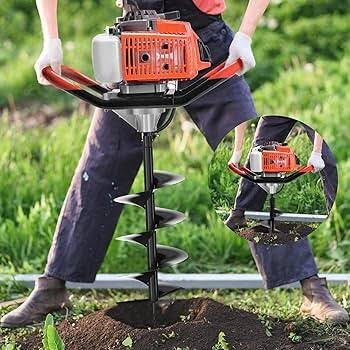
Whether you are installing a backyard fence or preparing multiple deck footings, understanding the strengths and limits of each digging tool helps you finish the job faster and with fewer problems.
What Is a Digger Post Hole Digger?
A digger post hole digger is a specialized digging tool designed to remove soil from narrow and deep holes. Unlike standard shovels, these tools are engineered to dig vertically while keeping the hole diameter consistent. They are commonly used in fencing, landscaping, agriculture, and construction projects.
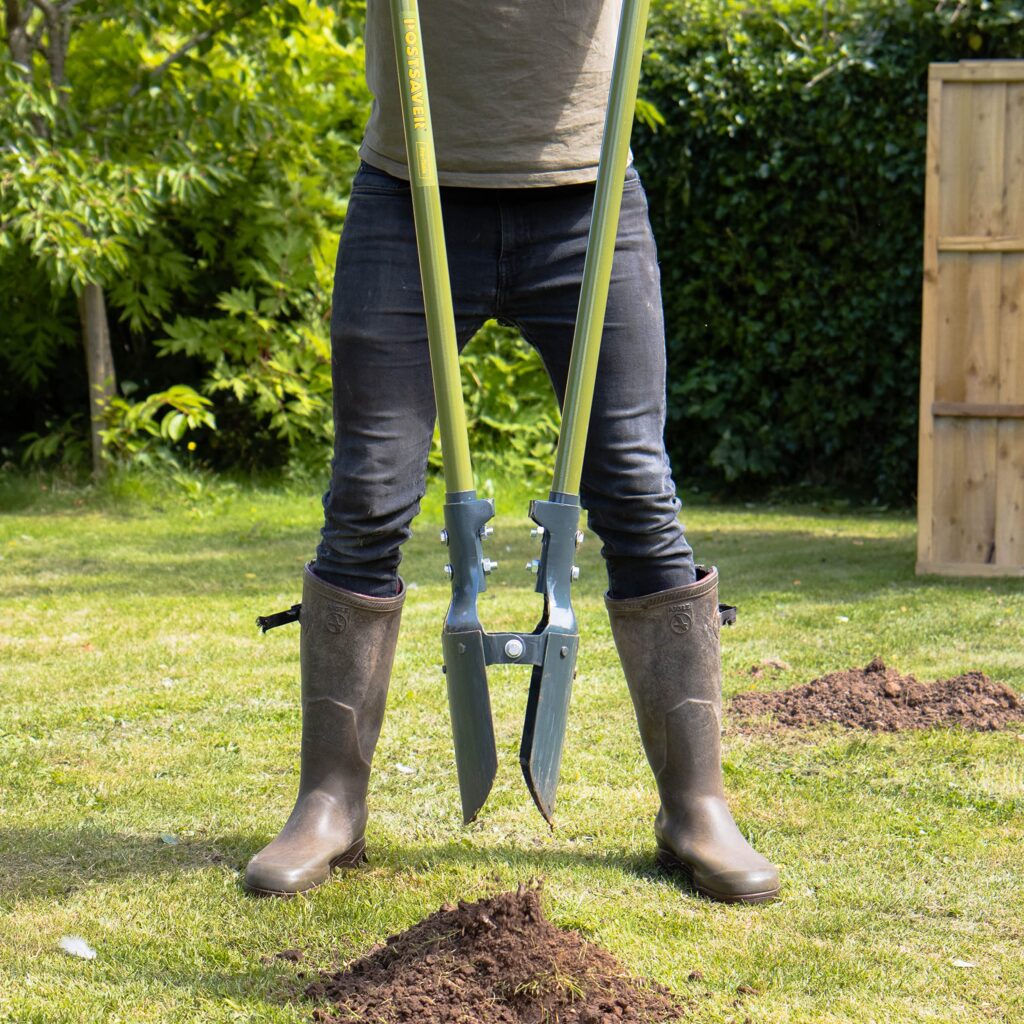
Traditional manual post hole diggers use two long handles connected to hinged steel blades. The blades open and close like a clamshell to loosen and remove dirt. Powered augers use rotating drill bits to cut through soil with far less physical effort.
Contractors often rely on heavy-duty augers for large fence installations because they can dig dozens of holes quickly. Homeowners usually prefer manual diggers for smaller projects because they are affordable, lightweight, and easier to store.
The popularity of post hole diggers has increased alongside the rise in DIY home improvement projects. Fence installation, garden structures, pergolas, and outdoor living spaces all require accurate and stable holes. A poorly dug hole can weaken structural stability, especially in loose or wet soil.
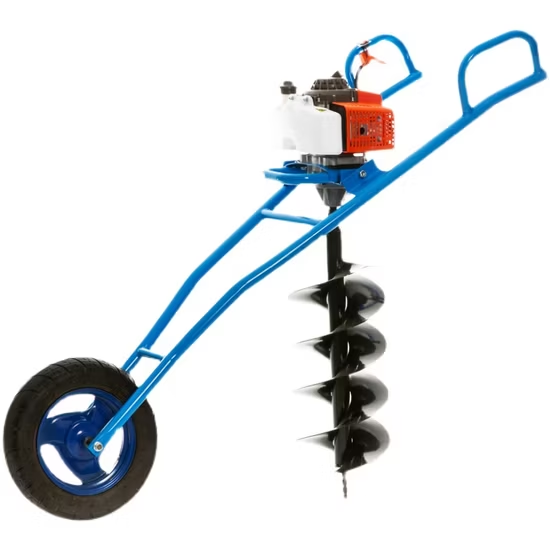
Modern digging tools now include ergonomic grips, fiberglass handles, reinforced steel blades, anti-vibration systems, and replaceable auger bits. These improvements reduce fatigue while improving efficiency in rocky or compacted ground.
Types of Post Hole Diggers
Choosing the right digger depends heavily on soil type, hole depth, and project size. Each style serves a different purpose.
Manual Clamshell Post Hole Diggers
Manual clamshell diggers remain one of the most common tools for residential use. They are affordable, easy to control, and ideal for shallow to medium-depth holes.
These tools work best in:
- Soft soil
- Loamy ground
- Sandy terrain
- Small fencing projects
- Garden installations
The user drives the blades into the soil and closes the handles together to lift dirt out. Although simple, this process becomes physically demanding in rocky or clay-heavy soil.
One advantage of manual diggers is precision. You can carefully shape the hole and avoid damaging nearby landscaping. Many professionals still use clamshell diggers to clean holes after using powered augers.
Hand Auger Post Hole Diggers
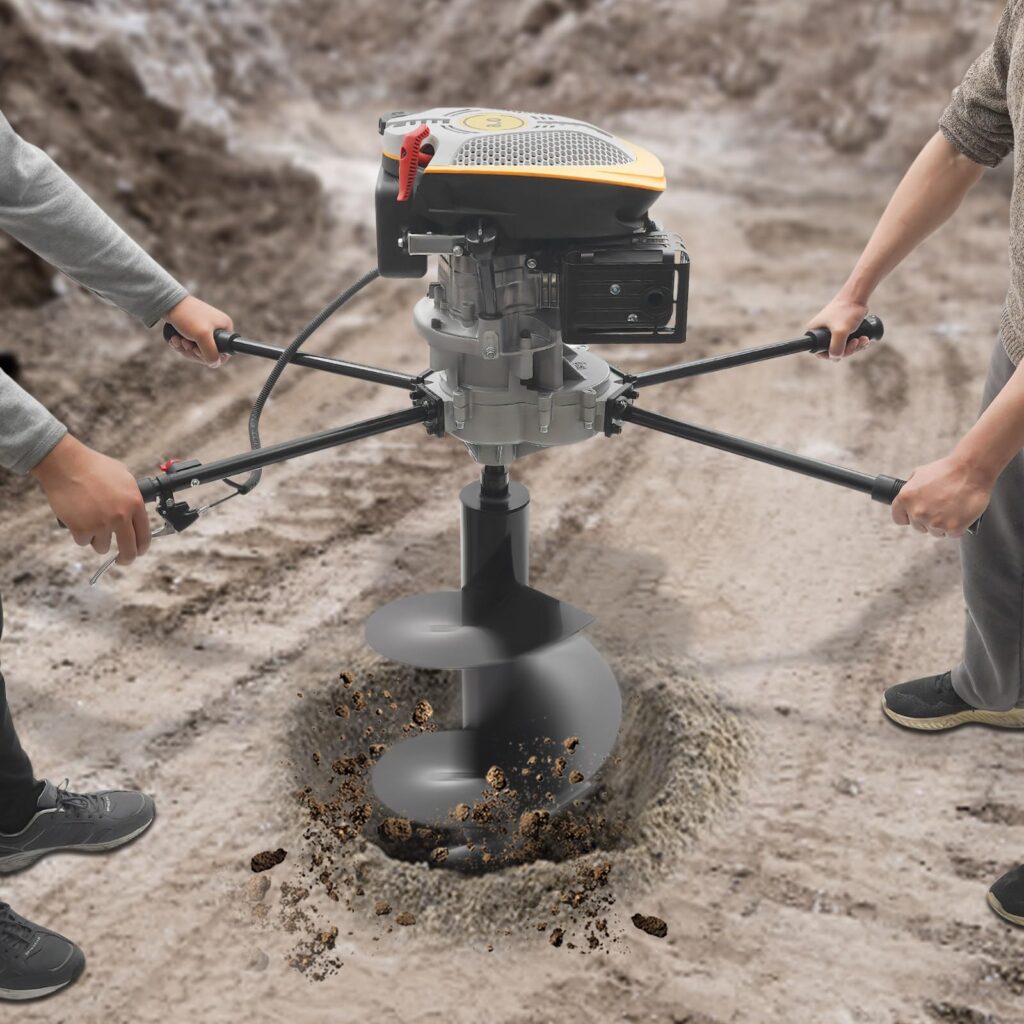
Hand augers use a rotating screw blade to cut into soil. They are operated manually using side handles. These tools require more effort than powered augers but are highly effective for medium-depth holes.
Hand augers perform well in:
- Compact soil
- Small tree planting
- Light fencing work
- Areas with limited access
Because the auger removes soil gradually, the holes often look cleaner and more uniform compared to shovel digging.
Gas-Powered Augers
Gas-powered augers are widely used in commercial fencing and construction work. These machines use gasoline engines to rotate large auger bits into the ground.
They are ideal for:
- Large fencing projects
- Deck footings
- Deep holes
- Hard soil
- Rocky terrain
Professional contractors favor powered augers because they reduce labor time dramatically. A single operator can complete dozens of holes in one day.
However, gas augers require maintenance, fuel mixing, and safety precautions. They are heavier and more expensive than manual tools.
Electric and Battery-Powered Augers
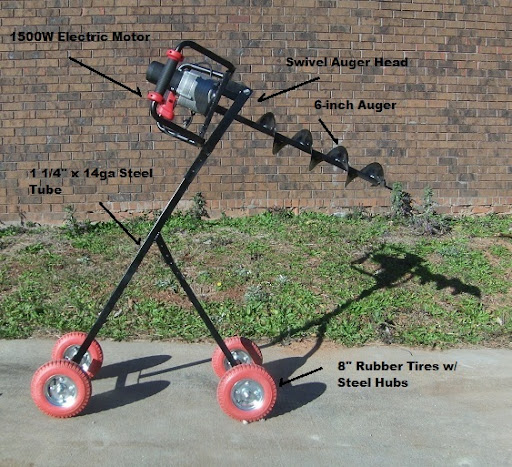
Battery-powered post hole diggers have become increasingly popular due to quieter operation and lower maintenance requirements.
Advantages include:
- Reduced noise
- No fuel mixing
- Lightweight handling
- Cleaner operation
- Easier startup
These tools are excellent for homeowners and landscapers who need moderate digging power without engine maintenance. Modern lithium-ion batteries now provide enough runtime for multiple fence installations on a single charge.
How to Choose the Best Digger Post Hole Digger
Selecting the right tool requires more than choosing the cheapest option. Several important factors affect performance and long-term usability.
Soil Conditions
Soil type is one of the biggest deciding factors. Soft soil works with almost any digger, while clay and rocky terrain require stronger tools.
Here is a quick comparison:
| Soil Type | Recommended Tool |
|---|---|
| Sandy Soil | Manual Digger |
| Loamy Soil | Hand Auger |
| Clay Soil | Gas Auger |
| Rocky Ground | Heavy-Duty Auger |
| Frozen Soil | Powered Auger |
Trying to use a lightweight manual digger in rocky soil can quickly become frustrating and inefficient.
Hole Depth and Diameter
Fence posts usually require holes between 24 and 36 inches deep. Deck footings may need deeper holes depending on local building requirements.
Common auger sizes include:
- 4-inch auger bit
- 6-inch auger bit
- 8-inch auger bit
- 12-inch auger bit
Wider holes require more engine power and stronger torque.
Handle Material
The handle construction affects durability and comfort.
Common materials include:
- Hardwood handles
- Fiberglass handles
- Steel-reinforced handles
Fiberglass handles resist weather damage and reduce vibration better than traditional wood.
Blade Quality
High-carbon steel blades remain the preferred choice because they resist bending and stay sharper longer. Cheap blades often struggle in compacted ground.
Professionals usually prefer powder-coated steel because it resists corrosion and improves longevity.
Best Uses for a Post Hole Digger
A digger post hole digger serves many purposes beyond fence installation.
Fence Post Installation
This is the most common application. Wooden, vinyl, chain-link, and metal fences all require stable post holes.
Proper hole depth improves:
- Fence stability
- Wind resistance
- Structural longevity
Most fencing experts recommend digging holes one-third the length of the fence post.
Deck and Pergola Footings
Outdoor structures rely on stable foundations. Uneven or shallow holes can lead to shifting and structural weakness over time.
Post hole diggers help create:
- Consistent footing depth
- Stable support columns
- Better drainage around posts
Tree and Shrub Planting
Landscapers often use augers for planting because they reduce root disturbance while speeding up the digging process.
Hand augers are especially useful for:
- Fruit trees
- Decorative shrubs
- Hedge installations
Mailbox and Sign Installation
Small projects still benefit from precise digging tools. Narrow holes reduce concrete waste while creating stronger support.
Manual vs Powered Post Hole Diggers
Choosing between manual and powered tools depends on workload, budget, and physical effort.
| Feature | Manual Digger | Powered Auger |
|---|---|---|
| Cost | Lower | Higher |
| Physical Effort | High | Low |
| Speed | Slower | Faster |
| Maintenance | Minimal | Moderate |
| Best for | Small Projects | Large Projects |
| Portability | Excellent | Moderate |
Homeowners with one-time projects often choose manual diggers. Contractors and frequent users usually benefit more from powered augers.
Common Problems When Digging Post Holes
Even experienced users encounter difficult digging conditions.
Rocky Soil
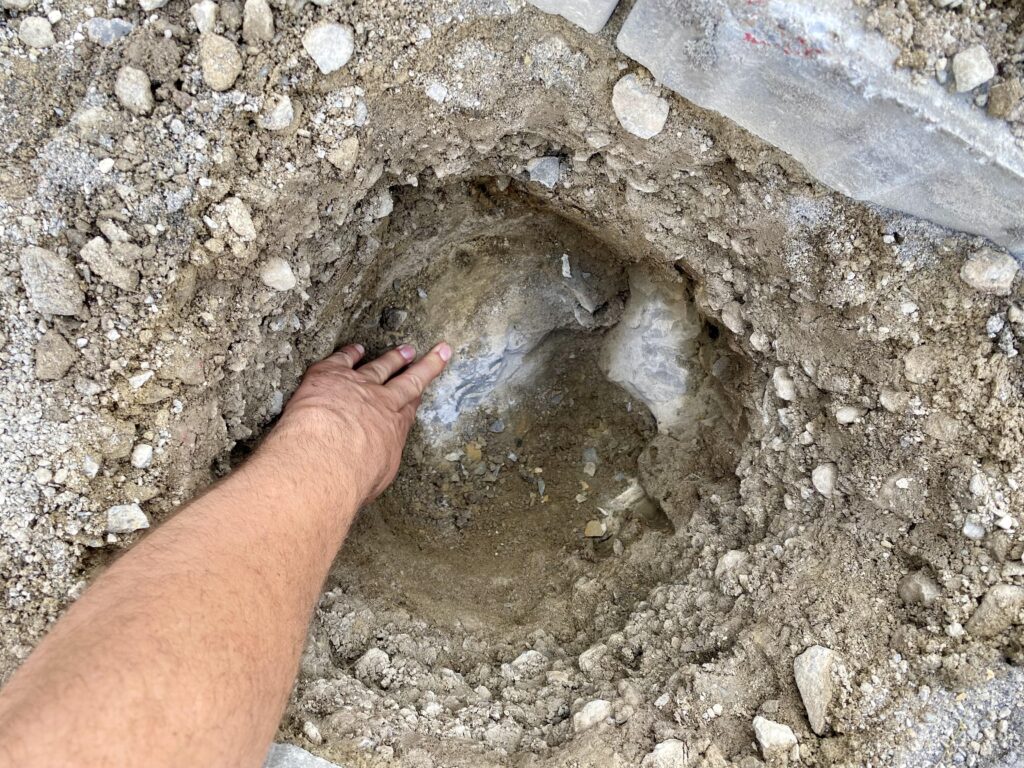
Rocks can stop digging progress immediately. Many professionals keep digging bars nearby to loosen rocks before using the post hole digger again.
Using a powered auger in rocky terrain requires caution because sudden impacts can strain the engine and operator.
Wet Ground
Wet soil sticks to blades and augers, slowing down progress significantly. Clay-heavy soil becomes especially difficult after rainfall.
Waiting for moderate soil moisture often improves digging speed.
Root Systems
Tree roots can interfere with fence placement and make hole alignment difficult.
Solutions include:
- Root saws
- Axe cutting
- Relocating hole positions
- Narrow auger bits
Hole Collapse
Loose soil may collapse before posts are installed. Professionals often stabilize holes immediately with gravel or concrete forms.
Expert Tips for Faster Post Hole Digging
Professional fence installers use several techniques to improve efficiency and reduce strain.
Mark Every Hole First
Measure and mark all hole positions before digging begins. This avoids alignment mistakes and reduces rework later.
Wet Dry Soil Slightly
If the ground is extremely hard, lightly watering the area beforehand can soften compact soil enough for easier digging.
Use Gravel for Drainage
Adding gravel to the bottom of the hole improves water drainage and helps prevent post rot.
Keep Auger Blades Sharp
Sharp blades reduce resistance and improve cutting speed. Dull blades force the engine and operator to work harder.
Dig Straight Down
Angled holes create unstable posts and increase concrete usage. Maintaining a vertical digging angle improves final stability.
Safety Tips When Using a Digger Post Hole Digger
Safety is often overlooked during small outdoor projects, but post hole digging can still cause injuries.
Wear Proper Safety Gear
Recommended protective equipment includes:
- Work gloves
- Safety glasses
- Steel-toe boots
- Hearing protection for powered augers
Check Underground Utilities
Before digging, always identify underground lines such as:
- Gas pipes
- Electrical cables
- Water lines
- Irrigation systems
Accidental utility damage can become dangerous and expensive.
Maintain Stable Footing
Powered augers generate strong torque. Losing balance during operation can cause wrist, shoulder, or back injuries.
Avoid Loose Clothing
Rotating auger bits can catch loose fabric, creating serious hazards.
Maintenance Tips for Long-Term Performance
A quality post hole digger can last for years with proper maintenance.
Clean After Every Use
Soil buildup causes corrosion and reduces digging efficiency. Cleaning blades immediately after use extends tool life.
Lubricate Moving Parts
Manual diggers contain hinge points that benefit from occasional lubrication.
Inspect Auger Bits
Check for:
- Cracks
- Bent blades
- Loose bolts
- Excessive wear
Damaged bits reduce cutting performance and increase strain on the motor.
Store Properly
Store digging tools in dry environments to prevent rust and handle deterioration.
Features Professionals Look For
Experienced contractors prioritize durability and productivity over price alone.
Top features include:
- Replaceable auger bits
- High torque engines
- Vibration reduction systems
- Reinforced steel shafts
- Ergonomic handle designs
- Easy-start engines
Commercial-grade tools often cost more initially but provide better reliability under heavy use.
Why Hole Quality Matters More Than Speed
Many beginners focus entirely on digging speed, but the quality of the hole affects the long-term strength of the structure.
Poorly shaped holes can lead to:
- Leaning fence posts
- Water accumulation
- Frost heaving
- Premature post failure
Professional installers prioritize consistent depth, proper width, and stable soil compaction around the post.
Concrete placement also becomes easier when holes are clean and evenly shaped.
The Growing Demand for Powered Post Hole Diggers
Outdoor construction trends have increased demand for efficient digging equipment. Backyard renovations, privacy fencing, and outdoor entertainment spaces all require stable post foundations.
Battery-powered augers are seeing rapid adoption because they combine portability with quieter operation. Many homeowners now prefer electric digging tools over gas-powered machines for residential projects.
Contractors still rely heavily on gas augers for maximum torque in difficult ground conditions, especially during large fencing jobs.
As battery technology improves, electric models continue narrowing the performance gap.
Frequently Asked Questions
What is the best post hole digger for rocky soil?
Gas-powered augers with reinforced steel bits perform best in rocky conditions. Manual digging tools struggle when encountering large rocks or compact clay.
How deep should fence post holes be?
Most fence posts require holes approximately one-third the total post length. Common residential fence holes range from 24 to 36 inches deep.
Are electric post hole diggers worth buying?
Yes. Electric and battery-powered augers provide quieter operation, lower maintenance, and easier handling for homeowners and light commercial work.
Can I use a post hole digger for planting trees?
Yes. Hand augers and manual diggers are commonly used for tree planting because they create deep, narrow holes while minimizing soil disruption.
What size auger bit is best for fence posts?
A 6-inch or 8-inch auger bit works well for most residential fence installations. Larger posts may require wider holes.
How do I prevent fence posts from leaning?
Proper hole depth, gravel drainage, quality concrete installation, and correct soil compaction all help maintain stable fence posts.
Do manual post hole diggers work in clay soil?
They can work in moderate clay, but heavily compacted clay often requires powered augers for practical digging speed.

