
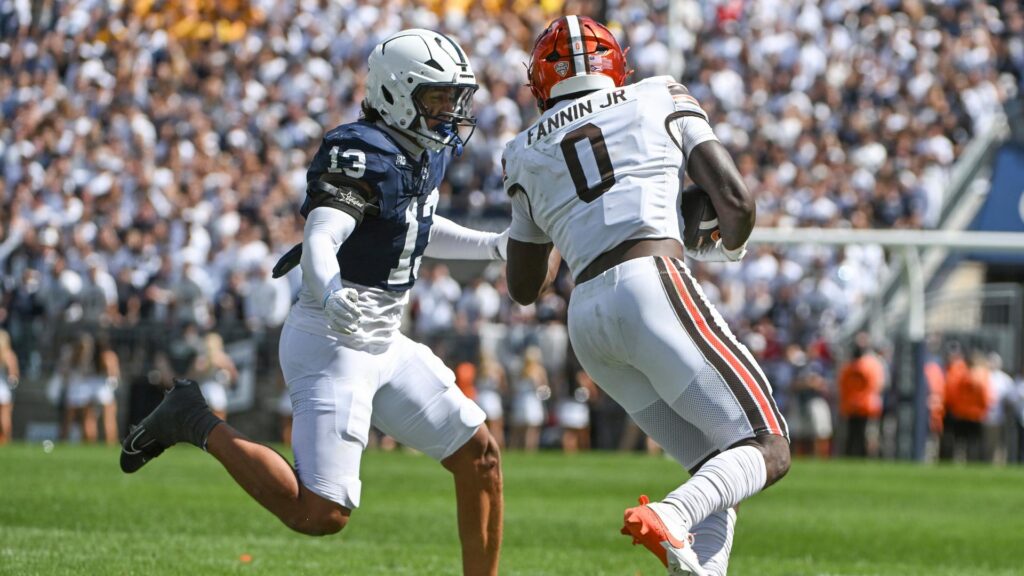
The Cleveland Browns made one of the more intriguing selections in the 2025 NFL Draft when they picked Harold Fannin Jr. in the third round. The former Bowling Green Falcons star arrived in Cleveland after a historic college season that turned him into one of the most productive tight ends in the country.
Once the Browns officially finalized the Browns Fannin rookie contract, fans immediately began asking the same questions. How much is the contract worth? What are the guarantees? How does his deal compare with other rookie tight ends? And what does this signing mean for the future of the Browns offense?
The contract itself may look straightforward on the surface, but there is far more behind the numbers. Rookie contracts in today’s NFL are heavily structured through the league’s wage scale, yet every deal still carries strategic value for teams building long-term rosters. In Cleveland’s case, Fannin’s rookie agreement is more than just paperwork. It represents a low-cost investment in one of college football’s most productive pass catchers.
Reports confirmed that Fannin signed a four-year rookie contract worth roughly $6.7 million after being selected 67th overall in the 2025 NFL Draft.
For the Browns, this move added another young offensive weapon to a roster searching for consistency and explosiveness. For Fannin, the contract marked the beginning of an NFL opportunity many scouts believed was earned through elite production rather than pre-draft hype.
Harold Fannin Jr.’s Rise Before the NFL
Before discussing the details of the Browns Fannin rookie contract, it helps to understand why Cleveland targeted him in the first place.
Fannin’s final season at Bowling Green was impossible to ignore. He produced numbers rarely seen from a college tight end and became one of the focal points of the offense every single week. During the 2024 college football season, he posted 117 receptions and 1,555 receiving yards, both records for an FBS tight end season.
Those statistics changed the conversation around him entering the draft. Instead of being viewed strictly as a mid-round developmental tight end, Fannin started receiving attention as a legitimate receiving weapon capable of contributing immediately in the NFL.
Scouts highlighted several strengths:
- Route running versatility
- Strong hands in traffic
- Ability to gain yards after the catch
- Positional flexibility
- Red-zone production
- High football intelligence
His production also addressed a major concern many NFL evaluators have with college tight ends. Some players enter the draft with excellent athletic traits but limited statistical output. Fannin was the opposite. His college tape showed consistent involvement and heavy responsibility within the offense.
That production played a major role in helping him secure a solid rookie contract slot despite not being selected in the first two rounds.
Browns Fannin Rookie Contract Details
The Browns Fannin rookie contract is reportedly a four-year deal worth approximately $6.7 million.
Here is a simplified breakdown of the agreement.
| Contract Detail | Estimated Value |
|---|---|
| Contract Length | 4 Years |
| Total Value | $6.7 Million |
| Draft Position | 67th Overall |
| Signing Bonus | Included |
| Guaranteed Money | Partial Guarantees |
| Contract Type | Rookie Scale Deal |
Like nearly all rookie contracts outside the first round, the deal follows the NFL rookie wage scale established under the collective bargaining agreement. That system limits negotiation flexibility and creates predictable salary structures based on draft position.
For third-round selections such as Fannin, the biggest variables typically involve:
- Signing bonus structure
- Payment timing
- Guaranteed portions
- Offset language
- Workout bonuses
Although the total value receives the headlines, signing bonuses often matter more to players entering the league. They provide immediate financial security while also showing how strongly the organization values the player.
The Browns moved fairly quickly to finalize the deal, signaling confidence in Fannin’s role within the offense moving forward.
How the NFL Rookie Wage Scale Impacts Fannin’s Deal
Many fans assume rookie contracts are negotiated similarly to veteran free-agent deals. That is no longer the case.
Since the NFL introduced the rookie wage scale in 2011, contracts for drafted players have become much more predictable. Teams now know approximately how much each draft slot will cost years in advance.
That means the Browns Fannin rookie contract was largely determined the moment Cleveland selected him at No. 67 overall.
The rookie wage scale benefits teams in several ways:
- Reduced contract disputes
- Lower rookie salary risks
- Better salary cap management
- Easier roster planning
- More flexibility for veteran spending
For players, the system creates less negotiation power early in their careers. The real financial opportunities usually arrive with second contracts.
Still, for a third-round pick, Fannin’s deal is significant. A four-year NFL contract guarantees stability and gives him a chance to establish himself before reaching extension eligibility.
The structure also gives Cleveland strong value if he develops into a reliable starter. Productive rookie contracts are among the biggest competitive advantages in today’s NFL because they allow teams to receive meaningful contributions at manageable salary cap numbers.
Why the Browns Wanted Harold Fannin Jr.
The Browns offense has spent the last several seasons trying to balance power football with modern passing concepts. Adding Fannin gives them another flexible piece capable of fitting multiple formations and personnel packages.
At Bowling Green, Fannin lined up in several spots:
- Traditional in-line tight end
- Slot receiver
- H-back
- Motion alignments
- Red-zone mismatch sets
That versatility likely appealed to Cleveland’s coaching staff.
The Browns already had David Njoku as the established veteran at tight end, but the team clearly wanted more depth and long-term flexibility at the position. Fannin’s receiving profile creates opportunities for two-tight-end packages while also giving the offense another reliable target underneath.
Some analysts viewed him as one of the better value selections in the 2025 draft because of how productive he was compared with where he was selected.
The Browns also benefit financially from the structure of his rookie deal. A productive tight end on a third-round rookie contract creates excellent roster value, especially compared to veteran free-agent prices at the position.
Comparing Fannin’s Contract to Other Browns Rookies
The Browns 2025 draft class included several notable players, including quarterbacks, defensive talent, and skill-position additions. Rookie contracts across the class varied significantly based on draft slot.
For example:
- First-round picks received fully guaranteed deals
- Second-round picks secured stronger guarantees
- Mid-round picks received lower signing bonuses
- Day-three selections had fewer protections
Compared with later-round selections like Shedeur Sanders, Fannin’s contract carries stronger financial value due to his higher draft position. Sanders reportedly signed a four-year deal worth around $4.6 million as a fifth-round selection.
Fannin’s estimated $6.7 million contract places him comfortably above many later-round rookies while still remaining team-friendly from a salary cap perspective.
Here’s a quick comparison.
| Browns Rookie | Draft Round | Estimated Contract Value |
|---|---|---|
| Harold Fannin Jr. | Round 3 | $6.7 Million |
| Shedeur Sanders | Round 5 | $4.6 Million |
| Dillon Gabriel | Round 3 | $6.2 Million |
| Carson Schwesinger | Round 2 | $11.7 Million |
These differences show how dramatically draft position impacts rookie earnings.
What Fannin Must Do to Outperform the Contract
One of the most interesting parts of evaluating rookie contracts is determining whether the player can outperform the financial value of the deal.
For Fannin, the path is fairly clear.
If he develops into:
- A reliable TE2 immediately
- A featured red-zone target
- A productive receiving option
- A long-term starter
- A mismatch weapon in spread formations
then the Browns could end up with one of the better value contracts in the 2025 rookie class.
NFL teams constantly search for productive pass catchers on affordable deals because elite offensive weapons are becoming increasingly expensive. Veteran tight ends with strong receiving numbers can command major salaries on the open market.
That is why rookie contracts matter so much strategically.
If Fannin produces early, Cleveland gains:
- Cost-controlled offensive production
- Salary cap flexibility
- More offensive versatility
- Strong roster depth
- Long-term developmental upside
The pressure now shifts from draft projections to actual NFL execution.
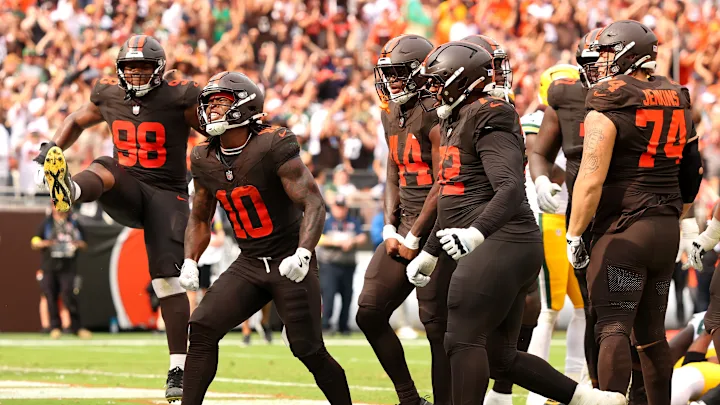
Can Harold Fannin Jr. Become a Featured Browns Weapon?
The Browns have experimented with different offensive identities over the past several years. Injuries, quarterback instability, and coaching adjustments have all impacted consistency.
Fannin enters an environment where opportunity exists.
His college production suggests he can contribute in several areas:
Short Passing Game
Fannin excelled at creating separation underneath. That skill translates well to NFL offenses that rely on quick throws and timing concepts.
Red-Zone Targets
His size and catch radius make him a natural option near the goal line.
Yards After Catch
One of the more underrated parts of his college tape was his ability to gain extra yardage after receptions.
Formation Flexibility
Modern offenses value players who can move around the formation without forcing substitutions.
That versatility increases the likelihood of earning playing time early.
Financial Value of Mid-Round Rookie Contracts
The Browns Fannin rookie contract also highlights a broader NFL trend.
Teams increasingly depend on mid-round contributors because superstar contracts consume such large portions of the salary cap.
A productive third-round pick provides tremendous value because the financial commitment remains relatively modest while the upside can become enormous.
Recent NFL history includes several mid-round tight ends who dramatically outperformed rookie contracts:
- George Kittle
- Travis Kelce
- Mark Andrews
- Dallas Goedert
Not every player reaches that level, but organizations continue targeting receiving tight ends in middle rounds because the financial risk remains manageable.
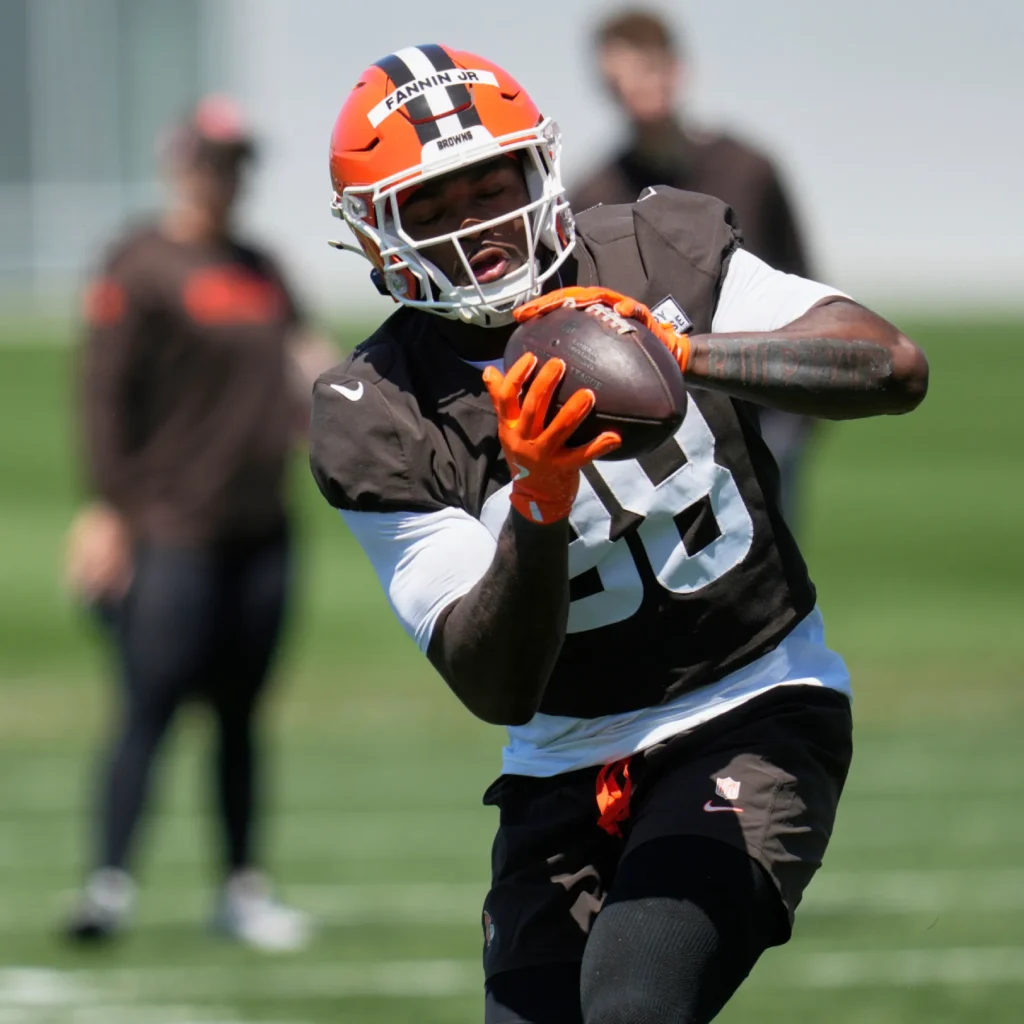
If Fannin develops into even a dependable starter, Cleveland’s investment could look extremely smart within two seasons.
Browns Tight End Depth Chart Outlook
The current Browns tight end room gives Fannin time to develop without carrying immediate franchise-level expectations.
That situation can help rookie players significantly.
Instead of being forced into every-down responsibilities immediately, Fannin can focus on:
- Learning NFL blocking schemes
- Adjusting to pro defenses
- Expanding route precision
- Improving physical strength
- Building chemistry with quarterbacks
At the same time, his receiving talent may force the coaching staff to involve him early.
The Browns have lacked consistent offensive rhythm at times, and adding another dependable target could help stabilize parts of the passing attack.
There is also growing belief across NFL front offices that offenses function better with multiple pass-catching tight ends because they create matchup problems against linebackers and safeties.
Fannin’s skill set fits that trend well.
What Analysts Are Saying About the Contract
Most reactions to the Browns Fannin rookie contract focused less on the financial details and more on the potential value attached to the deal.
Analysts praised:
- The draft position value
- His receiving production
- The upside relative to contract cost
- The scheme fit in Cleveland
- The long-term potential
Some evaluators questioned whether his blocking consistency would slow early playing time, which is common for rookie tight ends entering the NFL.
Still, production at his level in college football is difficult to dismiss.
His 2024 season generated national attention because of how dominant he became statistically at the position.
For Cleveland, the risk remains relatively low financially. That is one reason teams often prioritize upside in rounds two through four.
How Rookie Contracts Affect the Browns Salary Cap
The NFL salary cap remains one of the most important factors in roster construction.
Rookie contracts like Fannin’s help balance expensive veteran deals elsewhere on the roster.
Cleveland has managed major financial commitments in recent years, particularly at quarterback. Affordable rookie deals become essential under those circumstances because they allow teams to maintain roster depth without overspending at every position.
The Browns Fannin rookie contract gives the organization:
- Predictable cap numbers
- Affordable offensive depth
- Four years of contractual control
- Potential extension flexibility later
If he becomes productive quickly, his value compared with veteran market prices could become substantial.
FAQs
What is the Browns Fannin rookie contract worth?
Harold Fannin Jr.’s rookie contract with the Browns is reportedly worth approximately $6.7 million over four years.
When did Harold Fannin Jr. sign with the Browns?
The Browns officially signed Harold Fannin Jr. to his rookie contract in May 2025.
What draft pick was Harold Fannin Jr.?
The Browns selected Harold Fannin Jr. with the 67th overall pick in the third round of the 2025 NFL Draft.
Did Harold Fannin Jr. break college records?
Yes. Fannin set FBS single-season records for a tight end with 117 receptions and 1,555 receiving yards during the 2024 season.
Is Harold Fannin Jr.’s contract fully guaranteed?
Third-round rookie contracts are generally not fully guaranteed, although portions such as signing bonuses are protected.
Why is Fannin considered a strong value pick?
Many analysts believed his college production and receiving ability gave him higher upside than a typical third-round selection.
Could Harold Fannin Jr. become a starting tight end?
Yes. His receiving talent and versatility give him a realistic chance to become an important part of the Browns offense over time.

